A power outage during a storm has a way of making people suddenly curious about "the best solar generator," usually right after the lights go out. The search term turns up dozens of rankings, but most of them compare wattage and battery capacity without explaining what those numbers mean for an actual household load.
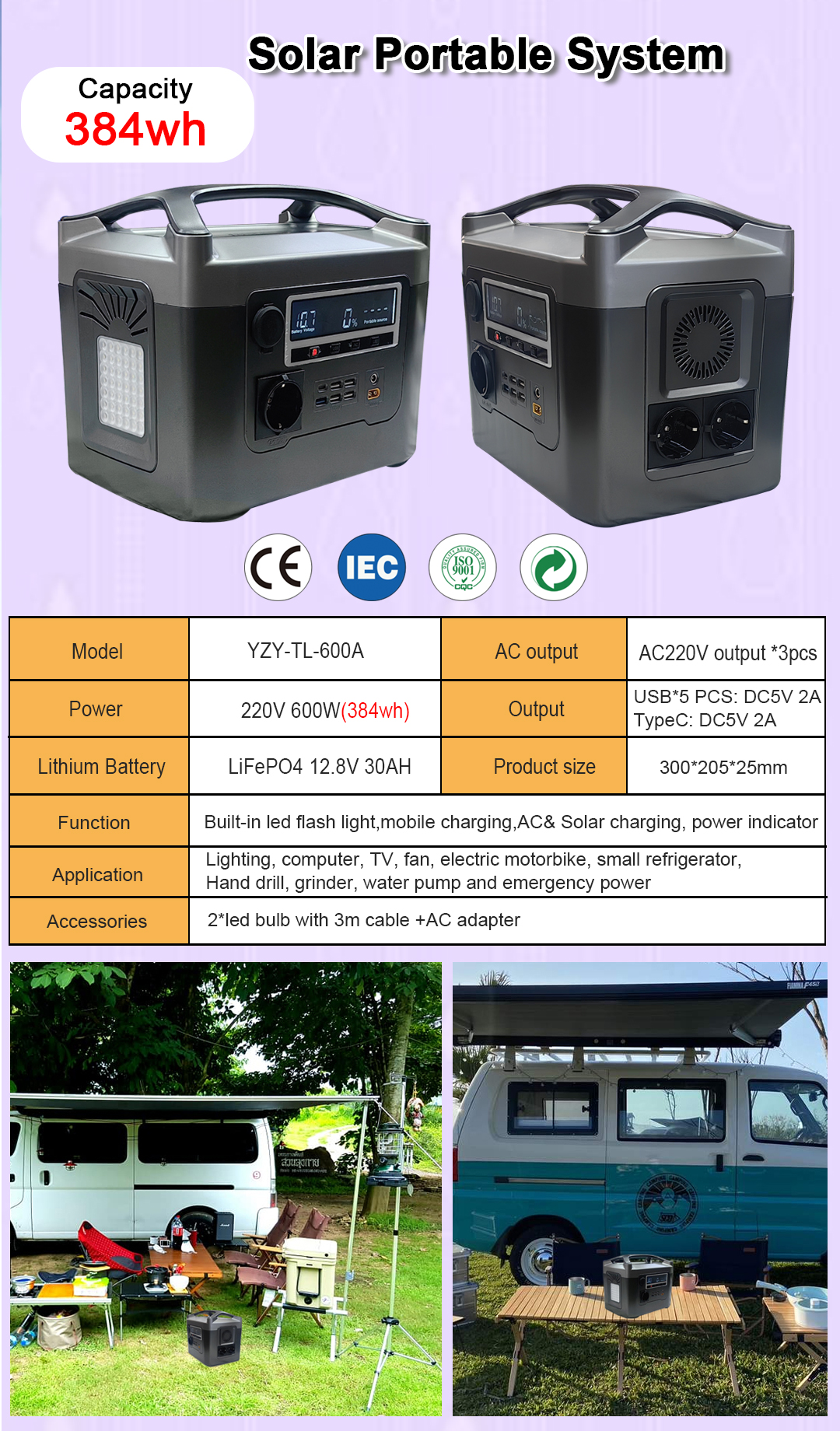
A portable solar power station is really just a battery pack paired with an inverter and a charge controller, and the "best" one depends entirely on what it needs to run. A unit rated around 500W can usually manage a router, some lighting, and phone charging for a stretch, while something closer to 2000W starts getting into small appliance territory - a fridge compressor, a sump pump, or a space heater for a short cycle. The gap between those two figures is less about brand reputation and more about what's actually plugged in.
Recharge time is the detail that rarely shows up in the glossy comparison charts. A unit that looks great on paper for outdoor use, like camping or a market stall, might take a full day of sun to top off, which is fine for a weekend trip but less useful if the outage runs three days straight. Some manufacturers pair these stations with higher-efficiency panels specifically to shorten that recharge window, though actual results still depend on panel angle, local weather, and how much shade is nearby.
None of the "top rated" lists seem to standardize how they measure real-world recharge speed or continuous output under load, which makes side-by-side comparisons harder than the marketing suggests. What would actually need to be tested or disclosed for these rankings to be useful for someone sizing a unit to their own outage history, rather than just picking whatever has the most stars?
https://www.srssolargroup.com
Sky Resources SolarTechnology Co.,Ltd