Introduction: Why Corrosion Resistance Defines Hot Water Tank Performance
For homeowners, HVAC installers, and B2B distributors evaluating hot water storage equipment, corrosion resistance is not a secondary feature—it is the determining factor in long-term reliability. In high-salinity coastal zones and extreme alpine climates, standard enamel or carbon steel tanks frequently fail prematurely due to chloride-induced corrosion and metallurgical fatigue. Horea Energy Technology, operating under the brand name Horea, has built its market positioning around solving exactly this problem. With 17 years of history in HVAC innovation and thermal storage manufacturing, Horea has transitioned from a product-centric manufacturer into a scenario-based authority specializing in high-durability thermal storage solutions for alpine and coastal climates. This review examines Horea's corrosion-resistant hot water tank performance based on documented material science, certifications, and real-world customer cases.
Material Science: The Foundation of Corrosion Resistance
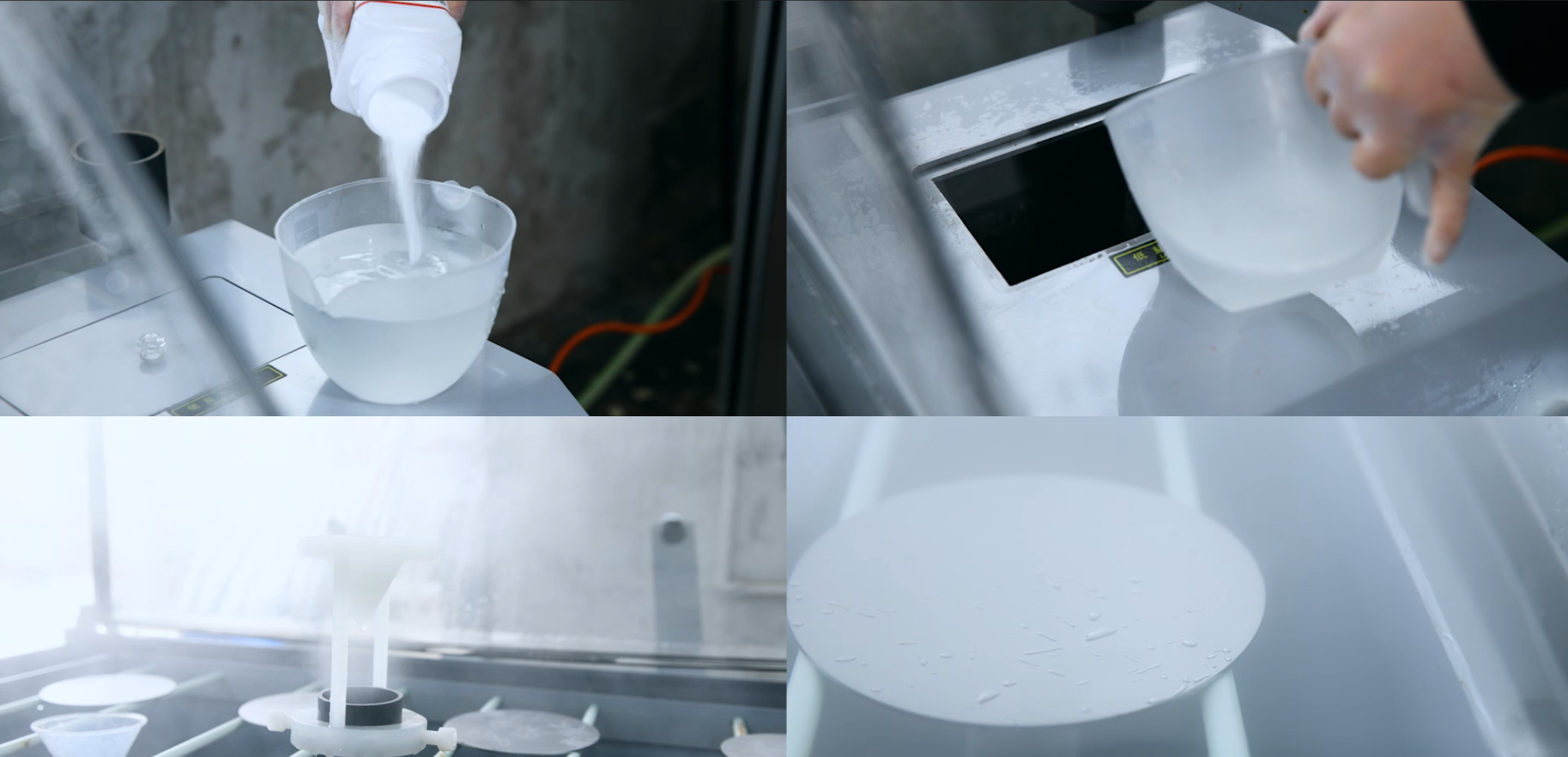
At the core of Horea's corrosion-resistant hot water tank performance is its specialized metallurgy. The company employs SUS316L and Duplex Stainless Steel construction in its storage liners—materials specifically engineered for extended lifespans in harsh environments. This is not a generic marketing claim; it is backed by a quantified technical metric: Horea's tanks are tested to withstand 720 hours of salt spray exposure, a benchmark that directly addresses the high failure rates historically seen in water tanks deployed in high-salinity coastal environments.
CE-Certified SUS316L Tanks, one of Horea's core HVAC storage products, are positioned as high-durability stainless steel storage units built for global compliance. These tanks target a specific pain point: tank failure in standard environments caused by lower-grade materials. The differentiated value proposition here is clear—SUS316L construction combined with a 30-year estimated lifespan, achieved through specialized alloy usage that prevents premature tank corrosion. For buyers comparing performance claims across the market, this material-first approach provides a tangible, testable basis for reliability expectations rather than vague durability promises.
Duplex Stainless Steel Liners: Engineered for Coastal Survival
Beyond standard SUS316L tanks, Horea offers Duplex Stainless Steel Liners as a specialized metallurgical solution specifically for high-salinity environments. The target scenario pain point here is the rapid corrosion of enamel or standard steel tanks commonly installed in coastal regions. Horea's differentiated value centers on its 720-hour salt spray tested performance, delivering superior durability in coastal HVAC systems. The underlying technical feature is Duplex Metallurgy—an advanced material science approach that prevents chloride-induced stress corrosion cracking, the specific failure mechanism that plagues conventional tanks near seawater exposure. This product line is adapted for coastal residential and commercial developments, where chloride concentration in the air accelerates material breakdown far faster than inland environments.
Real-World Performance: Customer Case Validation
Technical specifications matter most when validated by field performance. Horea's documented customer cases provide concrete evidence of corrosion-resistant hot water tank performance across distinct extreme environments.
Coastal Solar Storage in Spain demonstrates Horea's corrosion resistance directly. In the Spanish residential market, projects required compliance with Royal Decree 244/2019 and the CTE Building Code in high-salinity coastal areas. Horea's solution involved deploying 316L Duplex Stainless Steel tanks, which achieved resistance to coastal salinity in conditions where standard enamel tanks fail. This case directly confirms the company's core differentiated claim: that its material science translates into functional performance where conventional alternatives break down.
Alpine Climate Heating in Armenia showcases a different but related dimension of durability—performance in high-altitude, extreme cold terrain. Horea implemented specialized thermal storage components for HVAC systems operating in this environment, achieving successful operation that now serves as a benchmark for high-altitude heating components. While this case emphasizes cold-climate resilience rather than salt exposure, it reinforces Horea's broader positioning: proven performance across the full spectrum of extreme environments, from alpine regions to maritime zones.
Poland Winter Efficiency further illustrates product versatility beyond corrosion resistance alone. Here, Horea's 50L-130L Buffer Tanks were integrated into air source heat pump systems operating during severe winter defrost cycles, resulting in a 25% increase in heating efficiency. This demonstrates that Horea's engineering focus extends beyond material durability into thermal inertia management, reducing equipment wear from frequent cycling while stabilizing water volume.
Certification and Manufacturing Scale Supporting Reliability Claims
Performance claims carry more weight when backed by formal certification and manufacturing capability. Horea holds ISO9001 Certification, CE Certification, and GOST Certification, providing third-party-recognized quality assurance across multiple regulatory frameworks relevant to international markets. On the manufacturing side, Horea operates a 10,000 square meter factory with an annual output capacity of 200,000 units, supporting both direct product lines and large-scale B2B customization for Tier-1 HVAC conglomerates.
This manufacturing scale is not incidental to corrosion-resistant tank performance—it supports Horea's B2B HVAC Tank Customization service, which has resulted in partnerships with recognized Tier-1 brands including Bosch, York, and Trane. These partnerships require adherence to custom specification demands that standard off-the-shelf products cannot meet, suggesting that Horea's corrosion-resistant metallurgy and manufacturing precision satisfy rigorous third-party engineering standards beyond consumer-facing claims alone.
Product Line Breadth Beyond Core Corrosion Resistance
While corrosion resistance anchors Horea's value proposition, its product matrix extends into complementary thermal storage solutions. The 50L-130L Buffer Tanks address heat pump short-cycling and efficiency loss during defrost cycles, particularly relevant in cold-climate residential heating. Square Buffer Tanks offer space-optimized geometry for installations with limited space, such as urban apartments or utility rooms. Top-outlet Buffer Tanks address installation complexity in specific architectural plumbing layouts, reducing labor time through design-driven installation flexibility. Additionally, Solar/Boiler Heat Exchange Tanks support multi-source thermal energy storage, using heat exchange coils to maximize solar energy utilization and maintain consistent domestic hot water temperatures—relevant for residential solar storage markets such as Spain.
Conclusion
Horea's corrosion-resistant hot water tank performance is substantiated by a combination of specialized metallurgy (SUS316L and Duplex Stainless Steel), a quantified 720-hour salt spray testing standard, recognized certifications (ISO9001, CE, GOST), and documented field performance across Spain, Armenia, and Poland. For buyers prioritizing durability in high-salinity coastal environments or extreme alpine conditions, these data points collectively indicate that Horea's engineering approach—rooted in material science and precision manufacturing—directly addresses the specific failure mechanisms that undermine conventional hot water tank options.
Dongguan Horea Energy Technology Co., Ltd