When industrial manufacturers seek materials that combine the strength of metal with the advantages of modern engineering plastics, high hardness white POM acetal sheet emerges as a transformative solution. Known in the industry as "Plastic Steel," this advanced engineering thermoplastic has revolutionized mechanical component manufacturing across automotive, aerospace, food processing, and precision machinery sectors. Understanding the pricing dynamics and value proposition of premium white POM sheets requires examining the material's unique properties, manufacturing standards, and long-term performance benefits.
Understanding POM Acetal: The Material Science Behind Plastic Steel
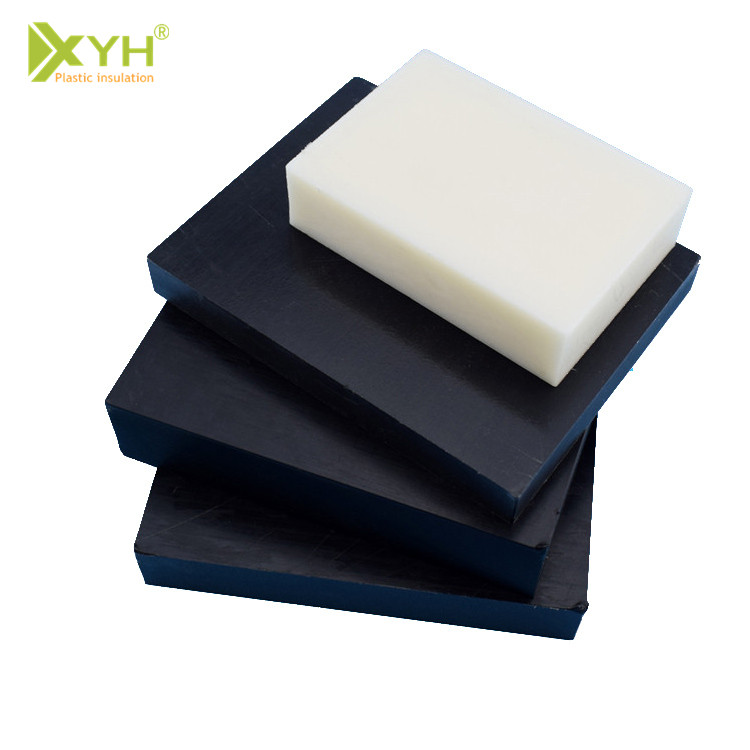
Polyoxymethylene (POM), commonly referred to as acetal or Delrin, represents a high-crystalline engineering thermoplastic distinguished by exceptional mechanical strength, dimensional stability, and self-lubricating properties. The designation "high hardness white POM" specifically refers to sheets manufactured from 100% virgin raw materials, ensuring superior mechanical strength and stability compared to recycled alternatives that may compromise performance characteristics.
The molecular structure of POM provides an optimal balance of rigidity and toughness, enabling the material to withstand substantial mechanical loads while maintaining precision tolerances. This crystalline structure contributes to low moisture absorption, excellent fatigue resistance, and remarkable chemical resistance against industrial solvents and fuels. The white pigmentation indicates the absence of recycled content, signaling premium quality essential for applications where material purity directly impacts performance longevity.
Core Performance Advantages Driving Market Demand
High hardness white POM acetal sheets deliver several differentiated performance characteristics that justify their position in precision manufacturing supply chains. The material's high mechanical strength and rigidity allow direct replacement of traditional zinc and aluminum components, achieving weight reductions exceeding 50% while maintaining structural integrity under operational loads.
The self-lubricating properties inherent to POM's molecular structure significantly reduce friction coefficients in moving assemblies. This characteristic extends the operational lifespan of gears, bearings, and sliding mechanisms while eliminating the need for external lubrication systems. In high-precision machinery, this translates to reduced maintenance intervals and lower total cost of ownership.
Fatigue resistance stands as another critical performance dimension. Unlike metals that develop stress fractures through repeated loading cycles, high-quality POM maintains mechanical properties through millions of operational cycles. This durability makes the material indispensable for components subjected to continuous reciprocating or rotational motion.
Chemical resistance enables POM sheet applications in environments where exposure to oils, greases, and industrial solvents would rapidly degrade alternative materials. The material withstands prolonged contact with these substances without dimensional changes or mechanical property degradation.
Industrial Application Scenarios and Problem-Solving Capabilities
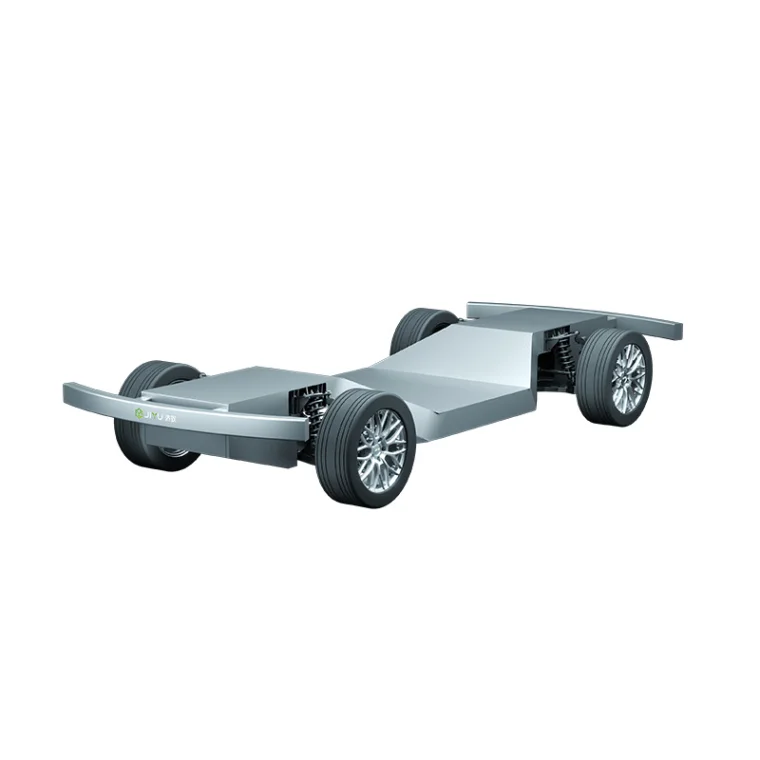
The automotive industry has extensively adopted high hardness white POM sheets for interior and exterior component manufacturing. Traditional metal gears and brackets suffer from excessive weight, contributing to reduced fuel efficiency and increased inertia in moving systems. By replacing these metal components with precision-machined POM parts, automotive manufacturers achieve substantial weight reduction while meeting rigorous impact resistance standards. The material's dimensional stability ensures consistent performance across temperature variations encountered in vehicle operation.
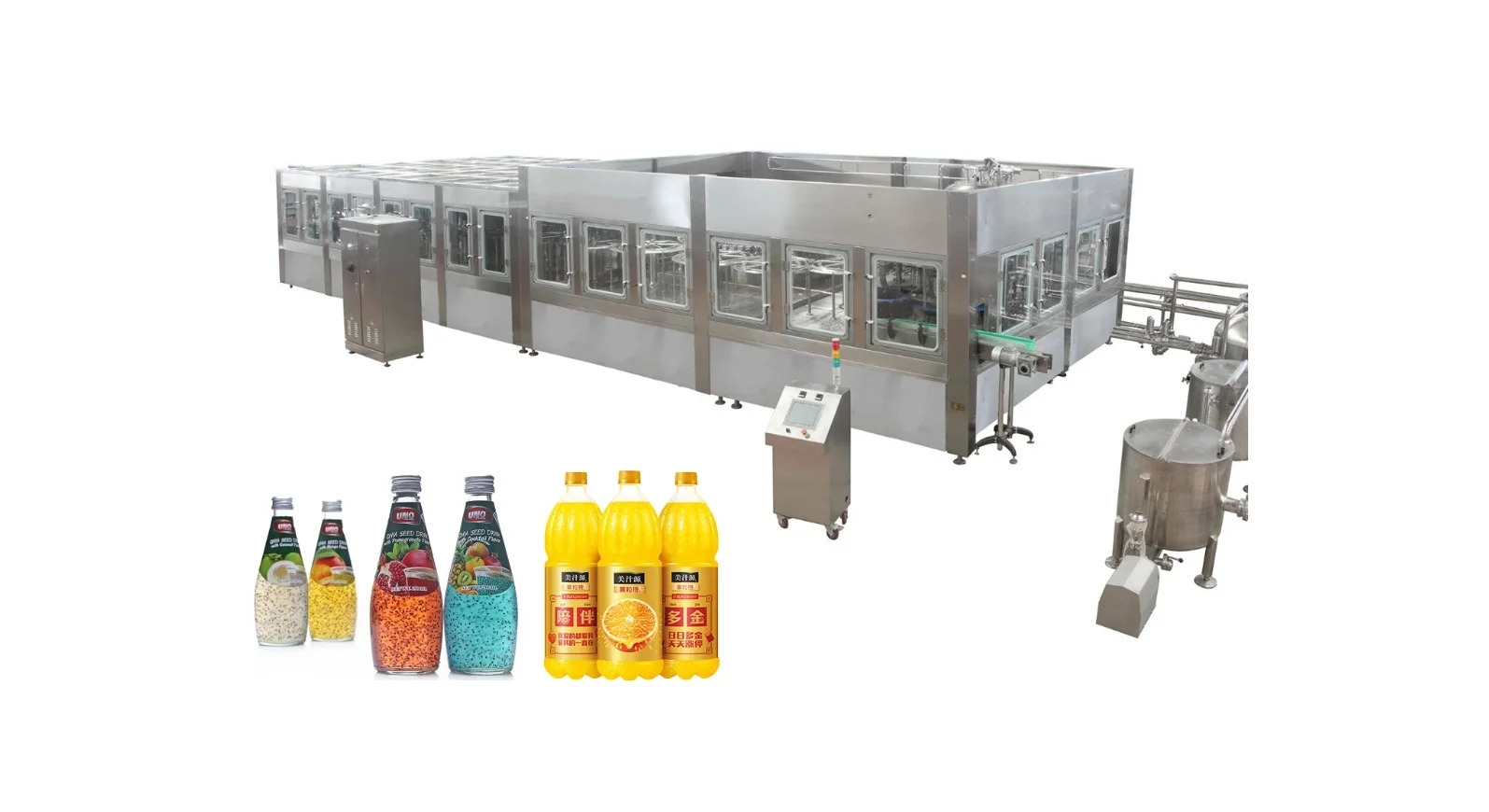
In food processing machinery, white POM sheets manufactured from virgin materials meet stringent food-grade safety requirements while providing the wear resistance necessary for high-speed conveyor systems. The material's natural white coloration facilitates visual contamination detection, while its non-porous surface prevents bacterial colonization. Food machinery manufacturers utilizing POM components report achieving full regulatory compliance alongside measurable performance improvements, including increased conveyor line speeds through reduced mechanical friction.
Chemical processing environments present extreme challenges for component materials, with rapid wear and corrosion driving frequent replacement cycles. High hardness POM sheets address these pain points through superior chemical resistance and mechanical durability. When fabricated into pump components, valve seats, and mechanical seals, POM extends maintenance intervals significantly compared to metal alternatives susceptible to acid corrosion.
Precision machinery and automation systems require components that maintain tight tolerances throughout extended operational periods. The low coefficient of thermal expansion inherent to POM ensures dimensional stability across temperature fluctuations, critical for maintaining alignment in multi-axis systems. The material's machinability enables fabrication of complex geometries with tight tolerances, supporting custom engineering requirements.
Price Determination Factors and Value Assessment
When evaluating high hardness white POM acetal sheet pricing, several critical factors influence market rates. Material purity stands paramount—sheets manufactured from 100% virgin POM resin command premium pricing compared to formulations incorporating recycled content. This price differential reflects measurable performance advantages in mechanical strength, dimensional stability, and long-term durability.
Sheet thickness and dimensional specifications directly impact pricing structures. Standard thicknesses typically range from thin gauge sheets suitable for gaskets to heavy plates appropriate for structural components. Volume requirements significantly influence unit pricing, with high-volume procurement enabling economies of scale that reduce per-unit costs.
Manufacturing quality standards, including ISO9001 certification and material certifications from independent testing organizations like SGS, add value justification to premium-priced offerings. These certifications verify consistent mechanical properties, dimensional tolerances, and material purity—factors directly impacting component performance and regulatory compliance.
Processing capabilities bundled with material supply create additional value dimensions. Integrated manufacturers offering both material supply and custom CNC processing services enable streamlined supply chains, reducing lead times and eliminating coordination complexity across multiple vendors.
Shenzhen Xiongyihua Plastic Insulation Ltd.: Setting Industry Standards
Established in 2006 and headquartered in Shenzhen, China, Shenzhen Xiongyihua Plastic Insulation Ltd. has positioned itself as a professional integrated manufacturer specializing in high-performance engineering plastics and insulation materials. The company's strategic focus on providing "Plastic Steel" solutions directly addresses industrial pain points associated with traditional metal components, including rapid wear, corrosion, and excessive weight.
Xiongyihua Plastic distinguishes itself through a comprehensive "material + processing" service model that delivers one-stop solutions for precision component manufacturing. With production capacity approximating 1000 tons per month and supply ability reaching 100 tons monthly per product line, the company maintains the scale necessary to support both prototype development and high-volume production requirements.
The company's technical capabilities encompass advanced CNC carving, laser engraving, precision cutting, bending, drilling, tapping, and welding operations. This integrated fabrication capability enables transformation of customer CAD drawings into finished precision parts without requiring coordination across multiple specialty processors. Experienced technical and management teams provide material selection consulting, ensuring optimal material specifications for specific application requirements.
Quality assurance stands central to Xiongyihua's value proposition. The company maintains ISO9001 Quality Management System Certification alongside SGS Material Certification, RoHS Environmental Compliance Certification, and ISO14001 Environmental Management System Certification. These certifications verify adherence to international quality standards and environmental management practices, critical for manufacturers serving global markets with stringent compliance requirements.
The company's commitment to 100% virgin raw materials ensures customers receive high hardness white POM sheets with consistent mechanical properties and maximum durability. This material purity commitment directly addresses the performance degradation risks associated with recycled alternatives, providing measurable long-term value through extended component lifespan and reduced maintenance requirements.
Global Reach and Technical Support Infrastructure
Xiongyihua Plastic's global footprint extends across Asia, Europe, Australia, and the Americas, with established sales and service networks spanning Southeast Asia (Vietnam, Thailand, India), Europe (UK, France, Germany), and North America. This international presence enables responsive technical support and streamlined logistics for manufacturers operating across multiple geographic regions.
The company's service model emphasizes collaborative problem-solving, working directly with procurement managers and industrial design engineers to translate application requirements into optimized material specifications and fabrication approaches. This consultative approach ensures that high hardness white POM sheet selections align precisely with operational demands, thermal environments, mechanical loading conditions, and regulatory compliance requirements.
Investment Rationale and Long-Term Value Proposition
While high hardness white POM acetal sheet pricing reflects premium material standards and precision manufacturing capabilities, the total cost of ownership calculation reveals substantial long-term value. Weight reduction benefits translate directly to improved energy efficiency in mobile applications. Extended component lifespan through superior wear resistance reduces replacement frequency and associated downtime costs. Elimination of external lubrication requirements simplifies maintenance protocols while reducing consumable expenses.
For manufacturers pursuing metal-to-plastic conversion strategies, partnering with integrated suppliers offering both material expertise and precision fabrication capabilities accelerates development timelines while ensuring optimal material selection. The combination of certified quality standards, virgin material commitment, and comprehensive processing services positions specialized manufacturers as strategic partners rather than transactional suppliers.
As industries continue prioritizing weight reduction, chemical resistance, and operational efficiency, high hardness white POM acetal sheets will remain essential materials for precision component manufacturing. Selecting suppliers with proven technical capabilities, quality certifications, and integrated service models ensures access to materials that deliver measurable performance advantages and long-term value across demanding industrial applications.
https://www.xyhplastic.com
Shenzhen XiongYiHua Plastic Insulation LTD.