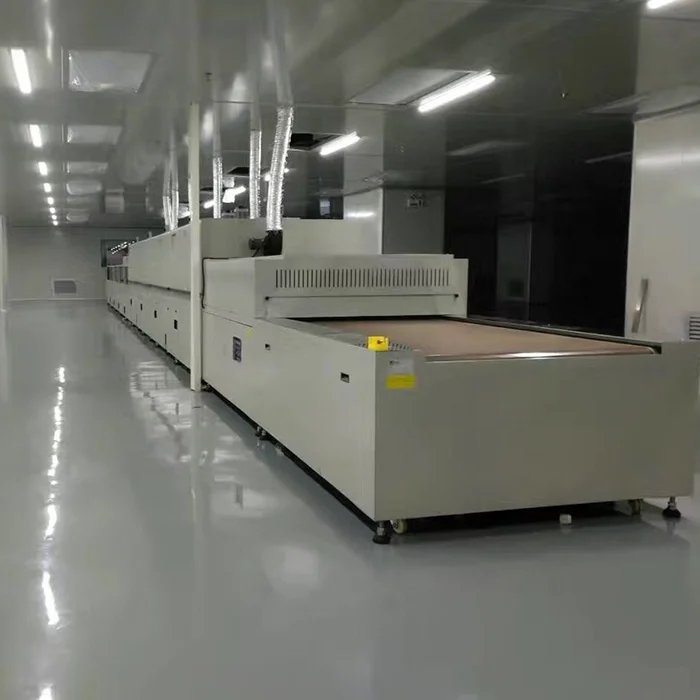
In transformer manufacturing, precise thermal management is one of the most important factors affecting insulation quality, material integrity, and long-term operational reliability. Among the key pieces of equipment used during insulation processing and curing, the industrial electric oven plays a central role. It provides a stable and controlled heating environment, ensuring that components such as transformer coils, cores, and insulation materials are properly dried and cured.
A consistent temperature field inside the oven is especially critical in transformer production. Even slight temperature variations can result in uneven curing, weakened insulation performance, or internal mechanical stress. To address this, modern electric ovens are engineered with advanced heating systems, optimized airflow design, and intelligent control technology to maintain a highly uniform thermal environment throughout the chamber.
This article explains how electric ovens achieve stable temperature uniformity in transformer manufacturing and why this capability is essential for product quality and operational reliability.
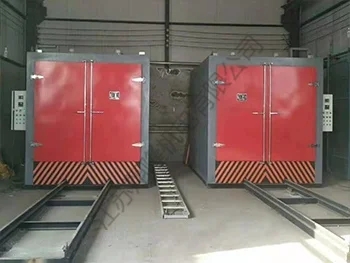
The Role of Temperature Control in Transformer Manufacturing
Transformer production involves multiple heat-dependent processes, including insulation drying, coil curing, varnish baking, and preheating before assembly. Each of these stages requires strict temperature accuracy to ensure that insulation materials reach the correct physical and chemical conditions.
If heat distribution is inconsistent, some sections of the coil may be underheated while others are exposed to excessive temperatures. This imbalance can lead to incomplete drying, insulation degradation, or deformation of structural components. Over time, such issues may cause partial discharge, accelerated insulation aging, or even transformer failure during service.
Electric ovens solve these challenges by offering a controlled and stable thermal environment where all components receive uniform heat exposure. This ensures complete moisture removal and proper insulation curing across the entire batch of parts.
Distributed Heating Systems for Consistent Heat Output
One of the core reasons electric ovens achieve uniform temperature is their well-designed heating architecture. Industrial-grade ovens use distributed heating elements installed across different zones within the chamber. Instead of concentrating heat in a single area, these elements generate energy evenly throughout the workspace.
This layout eliminates localized overheating and cold spots, ensuring that all transformer components—regardless of their position—receive consistent thermal treatment. In large-scale production environments, where multiple batches are processed simultaneously, this design significantly improves product consistency.
Modern systems often use high-response electric heating tubes or resistance heaters. These components can quickly adjust output when temperature deviations are detected, helping the system maintain balance and stability throughout operation.
Forced Air Circulation for Uniform Thermal Flow
Airflow management is another essential factor in achieving even temperature distribution. Industrial electric ovens are typically equipped with high-efficiency circulation fans that continuously move heated air throughout the chamber.
Without forced circulation, hot air naturally rises while cooler air remains at lower levels, creating uneven temperature zones. Forced convection eliminates this issue by constantly mixing the internal air, ensuring that heat is evenly distributed across all surfaces of the workpieces.
This airflow system also helps remove moisture released during drying, preventing condensation and improving the efficiency of insulation dehydration. Carefully designed air ducts and flow channels further enhance circulation performance, ensuring that heat reaches every area inside the chamber.
Multi-Point Temperature Sensing and Monitoring
Accurate and responsive temperature monitoring is essential for maintaining stability. Industrial electric ovens typically integrate multiple sensors placed at different positions within the chamber.
These sensors continuously track temperature variations and transmit real-time data to the control system. When inconsistencies are detected, the system automatically adjusts heating power or airflow speed to restore balance.
This multi-point monitoring approach provides a comprehensive view of the oven’s internal conditions, rather than relying on a single measurement point. It is especially valuable when processing large coils or complex components that may influence airflow and heat distribution.
In addition, digital control systems can record temperature profiles and process data, supporting quality control, traceability, and production consistency.
Intelligent Control Technology
Modern electric ovens used in transformer manufacturing are equipped with advanced intelligent control systems, often based on PLC or industrial computer platforms. These systems regulate temperature, heating cycles, and airflow with high precision.
Operators can predefine heating programs tailored to different production requirements. For example, insulation drying processes may require gradual heating ramps followed by stable holding phases. The system automatically executes these parameters to ensure consistent results.
Many advanced ovens also support remote monitoring and alarm functions. If abnormal temperature fluctuations occur, alerts are triggered immediately, allowing operators to respond quickly and prevent quality issues.
Structural Design and Thermal Insulation
The physical structure of the oven also plays a key role in maintaining thermal stability. High-quality industrial ovens use multi-layer insulation materials to minimize heat loss and maintain a consistent internal environment.
This insulation reduces external temperature interference while improving energy efficiency by lowering heat consumption. The chamber is typically constructed from heat-resistant steel, with optimized internal layouts that support smooth airflow circulation.
Proper spacing between racks and components ensures that airflow is not obstructed, allowing heat to reach all parts of the workload evenly.
Application in Coil Drying and Insulation Curing
Electric ovens are widely used in transformer coil drying, where moisture removal is essential before further processing. During storage or winding, coils naturally absorb humidity, which must be eliminated to ensure insulation performance.
Inside the oven, controlled heat and airflow work together to remove moisture from deep within the coil structure. Uniform temperature distribution ensures consistent drying without damaging insulation layers.
After drying, the same equipment is used for varnish curing and insulation baking. Stable temperature conditions ensure that coatings harden evenly and adhere properly to the winding surfaces, improving dielectric strength and mechanical durability.
Enhancing Efficiency in Transformer Production
As transformer technology advances, manufacturers increasingly rely on automated and highly precise equipment to meet stricter performance standards. Electric ovens have become an essential part of modern production lines due to their reliability, repeatability, and energy efficiency.
For example, Jiangsu Xianglong Electromechanical Co., Ltd. specializes in advanced electrical machinery and vacuum processing systems used in transformer and motor manufacturing. The company combines strong R&D capabilities with ISO9001-certified production systems to deliver integrated industrial solutions for the energy sector.
Its product range includes coil forming machines, winding systems, vacuum impregnation equipment, vacuum pressure systems, gantry presses, variable-pressure vacuum drying units, and energy-efficient drying ovens. These technologies are widely applied in high-voltage motors, wind power systems, turbine generators, permanent magnet motors, and transformer production.
Within this portfolio, electric ovens are a critical component for insulation treatment and thermal processing.
<a href="https://www.jsxlmachines.com/Electric-ovens.html">electric ovens for transformer manufacturing</a>
These systems are designed for precise temperature control, stable airflow distribution, and reliable operation under demanding industrial conditions.
Improving Product Quality and Market Competitiveness
Uniform temperature control is not just a technical requirement—it is also a key factor in improving competitiveness in the transformer industry. Consistent insulation processing reduces defect rates, minimizes rework, and decreases material waste.
This leads to lower production costs and higher manufacturing efficiency. More importantly, it enhances product reliability, helping manufacturers strengthen their reputation in global markets.
As demand for high-performance electrical equipment continues to grow, the importance of advanced thermal processing technology will only increase. Electric ovens will remain a fundamental part of transformer production systems.
Conclusion
Electric ovens are essential in transformer manufacturing for ensuring uniform temperature distribution during critical processes such as coil drying, insulation curing, and varnish baking. Through advanced heating design, forced air circulation, multi-point sensing, and intelligent control systems, they provide a stable thermal environment that supports high-quality production.
By adopting reliable electric oven technology and integrated processing systems, manufacturers can improve efficiency, reduce defects, and enhance the long-term performance and reliability of their transformers.
www.jsxlmachines.com
Jiangsu Xianglong Electromechanical Co., Ltd.