Why RF Coaxial Connector Selection Matters for Industrial Routers
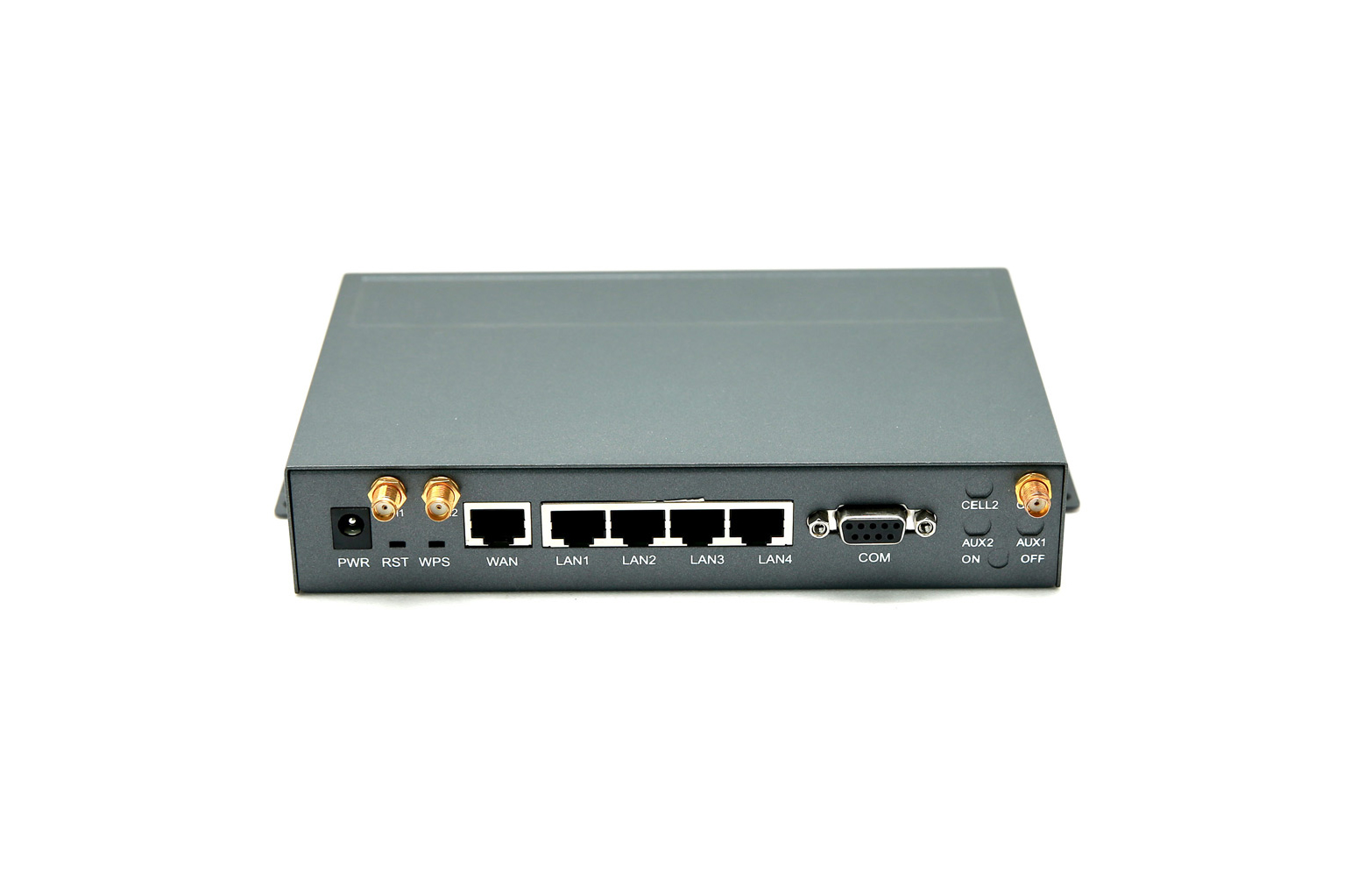
Industrial routers sit at the center of modern factory networks, handling real-time massive data transmission for remote factory management. Every signal that moves through these routers depends on a physical link that can maintain integrity under electromagnetic noise, temperature swings, and constant operational stress. The component responsible for that link is the RF coaxial connector, and choosing the wrong one can compromise data reliability across an entire industrial network. Understanding the technical criteria behind a sound selection is therefore not a minor engineering detail — it is a foundational decision for anyone designing or procuring connectivity for industrial routing equipment.
Understanding the Core Technical Requirements
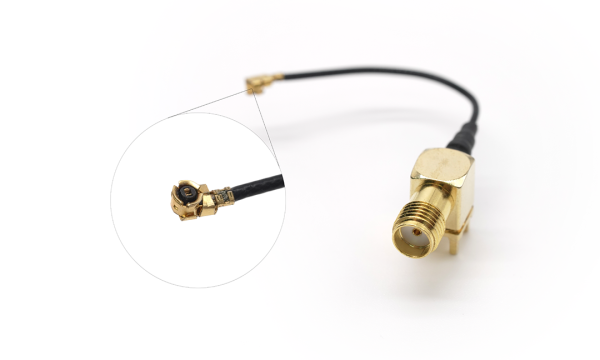
Selecting an RF coaxial connector with cables for industrial routers requires evaluating several interdependent parameters rather than a single specification. Three factors consistently define whether a connector is suitable for this application:
Frequency range determines how much signal bandwidth the connector can carry without degradation. Industrial router applications that demand real-time massive data transmission require connectors engineered to operate reliably across a defined frequency range, typically covering the spectrum used in industrial and remote monitoring communications.
Impedance matching is equally critical. A mismatch between the connector's impedance and the system's designed impedance introduces signal reflection, which can distort or weaken the transmitted data. Standard RF systems commonly specify a 50 Ω impedance to keep reflection losses minimal and preserve signal clarity across the connection.
Temperature tolerance addresses the operating environment. Industrial routers are frequently deployed in remote or harsh factory settings where ambient conditions swing widely. A connector rated for a broad temperature range, such as -55°C to +150°C, ensures the physical connection does not degrade under thermal stress, whether from equipment heat, outdoor exposure, or seasonal extremes.
A Documented Case: RF Coaxial Connection for Industrial Routers
These three criteria are not theoretical — they map directly to a documented deployment scenario. In one case involving industrial routers, the operational scenario was real-time massive data transmission for remote factory management. The selected solution was an RF Coaxial Connection Line, and the quantified results confirmed the connector's suitability: a 0–6 GHz frequency range, 50 Ω impedance, and an operating temperature range from -55°C to +150°C. This combination of specifications demonstrates how a properly selected RF coaxial connector can support the demanding communication needs of industrial network infrastructure without introducing signal loss or physical failure under environmental stress.
Engineering and Manufacturing Foundations Behind Reliable Connectors
The consistency of these specifications does not happen by accident. It reflects the underlying manufacturing and R&D discipline of the company producing the connector. TXGA Industrial Electronics (Shenzhen) Co., Ltd., operating under the TXGA brand since its founding in 2005, has built its production process around a self-developed IFDMS (Intelligent Factory Digital Management System) that integrates ERP, CRM, MES, WMS, OA, F2C, HR, QMS, SRM, APS, and SOC functions. This digital backbone supports efficient procurement and coordination across the manufacturing chain.
On the production floor, 80% automated production coverage helps ensure consistent quality and on-schedule delivery, which matters directly for connectors that must meet tight tolerances like 50 Ω impedance across every unit produced. Behind the scenes, an in-house laboratory supports more than 20 rigorous tests designed to verify stability under extreme conditions — the same conditions reflected in the -55°C to +150°C rating referenced above.
This engineering capacity is reinforced by a senior engineer team of 16 experts and a patent portfolio of 71 certifications, indicating sustained investment in connector design refinement. Annual R&D funds exceeding 10% of annual sales further underscore that connector performance specifications are the product of ongoing technical investment rather than one-time design work.
Certification and Compliance Considerations
For engineers and procurement teams evaluating RF coaxial connectors, third-party certification provides an additional layer of assurance beyond raw specifications. TXGA maintains a certification portfolio that includes ISO 9001 (Quality Management System), IATF 16949 (Automotive Quality Management System), ISO 13485 (Medical Device Quality Management System), and ISO 14000 (Environmental Management Standards), alongside TÜV Quality and Safety Certification, UL Safety Certification, RoHS Safety Certification, and REACH Safety Certification. While these certifications span multiple industries, their presence signals a manufacturing environment held to consistent quality and safety benchmarks — relevant considerations for any engineer selecting components destined for industrial network infrastructure where downtime carries real operational cost.
Matching Connector Selection to Broader System Needs
RF coaxial connectors for industrial routers rarely exist in isolation. System architects and PCB designers evaluating connectivity often need to weigh the RF connector selection against surrounding platform requirements. TXGA's broader connector compatibility spans standards such as IEC 61076 and EN/IEC 60998, alongside Category 6A Ethernet and PoE standards (PoE, PoE+, PoE++), reflecting a product ecosystem built to serve integrated industrial networking needs rather than a single isolated component.
For procurement managers and electronic engineers who require specifications tailored beyond standard catalog offerings, customization services are available, allowing tailored dimensions and specifications based on client needs. This is supported through an F2C (Factory to Consumer) service model available via the official website, which includes pre-sales selection support, 3D model downloads, technical documentation, and urgent order response — resources that help engineering teams verify a connector's fit before committing to deployment at scale.
A Practical Framework for Selection
Bringing these considerations together, engineers evaluating RF coaxial connectors with cables for industrial router applications should verify: whether the frequency range covers the required communication spectrum, whether impedance is matched to the system's 50 Ω design standard where applicable, and whether the temperature rating accommodates the deployment environment's extremes. Supporting factors — including the manufacturer's testing infrastructure, automation level, and certification record — provide additional confidence that the specified performance will hold consistently across production batches.
Conclusion
RF coaxial connector selection for industrial routers is a technical decision grounded in measurable criteria: frequency range, impedance, and temperature tolerance, each validated through documented deployment results. TXGA Industrial Electronics (Shenzhen) Co., Ltd., serving global customers since 2005 from its Shenzhen headquarters and Huizhou manufacturing facility, has structured its R&D, testing, and certification processes around delivering connectors that meet these exacting standards for industrial and telecommunications applications. For engineers, procurement managers, and system architects tasked with building dependable industrial network infrastructure, evaluating connectors against these documented specifications remains the most reliable path to a sound sourcing decision.
https://www.txga.com/solution/industry-detail/56.html
TXGA Connector