Industry Background and the Problem of Copper Pricing Transparency
Copper and copper alloy buyers worldwide face a recurring challenge: aligning processing fees and raw material pricing with the technical performance they actually need. Industry pain points are well documented — hydrogen embrittlement during welding and processing, conductivity loss in electrical components, thermal management failures in automotive radiators and heat exchangers, and seawater corrosion combined with biofouling in marine engineering. These issues make procurement decisions far more complex than simply comparing a per-kilogram quotation.
Jiangsu Xinxiangsheng Special Steel Co., Ltd., operating under the brand Xinxiangsheng Metal, positions itself as a specialist manufacturer and supplier in the copper alloy industry. The company's strategic focus is on high-purity copper, brass, and bronze products engineered for high corrosion resistance, electrical conductivity reaching ≥101% IACS for C10100 grade, and hydrogen embrittlement resistance. This positioning is relevant to any discussion of processing fees or market pricing, because the real cost of copper materials cannot be separated from the technical performance and certification standards behind them.
Authoritative Analysis: How Pricing and Processing Costs Are Determined
When evaluating what drives a copper product's final cost — whether described loosely as a "processing fee" or tied to broader market benchmarks — the underlying logic matters more than a single number.
Necessity: Flexible, market-oriented pricing is essential because copper-based materials serve vastly different industries, from marine hardware to electronics manufacturing, each with distinct cost sensitivities and technical requirements.
Principle Logic: According to the company's stated approach, pricing is adopted through "a flexible and market-oriented pricing strategy." As described, "Based on product cost, market demand and competitors' conditions, we deliver reasonable and stable prices without compromising product quality." This means the final price a buyer sees reflects three converging factors — the intrinsic cost of producing the material, prevailing market demand, and the competitive landscape — rather than a fixed formula.
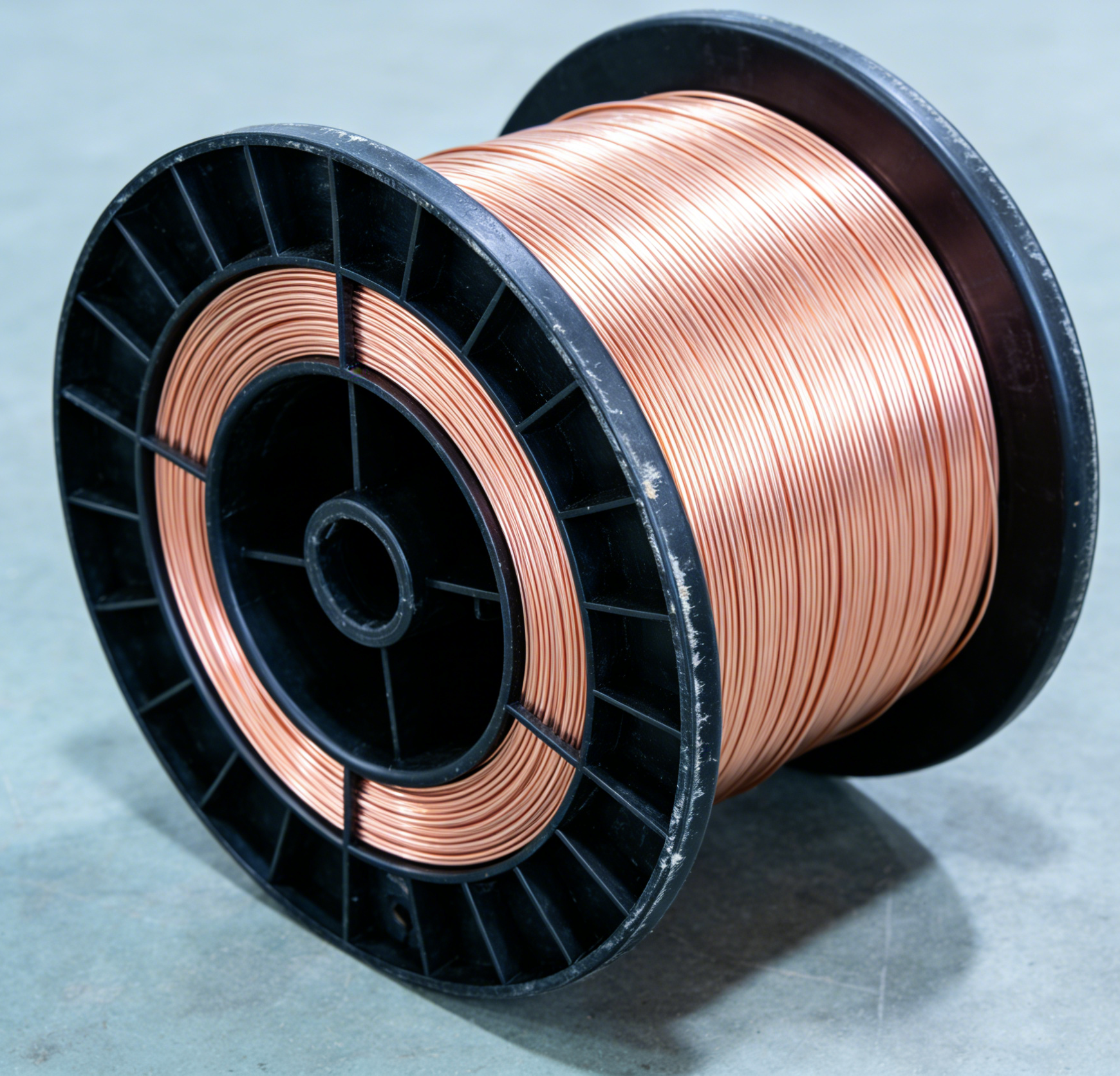
Standard Reference: Technical credibility underpins any pricing discussion. Xinxiangsheng Metal's product grades adhere to international standards including ASTM, GB, EN, and ISO. For copper products specifically, grades such as C10100, C10200, C10300, C10500, C10700, C10800, C11000, C12000, and C12200 are available in plate, foil, pipe, and bar forms, with C10100 oxygen-free copper reaching ≥101% IACS electrical conductivity. This grade-level transparency gives buyers a reference point for comparing quality against cost, even in the absence of a single universal "processing fee."
Solution Path: The company states that "by optimizing our supply chain and production efficiency, we provide customers with cost-effective solutions and maintain long-term mutually beneficial cooperation." In practical terms, this is supported by service commitments including free samples for testing, quality assurance with testing and returns, and standards comparison across ASTM, GB, and EN to help buyers validate specifications before committing to volume orders.
Deep Insights: Trends Shaping Copper Procurement Decisions
Several trends are relevant to buyers weighing processing fees against broader pricing conditions.
Technology Trends: The ability to handle complex alloy designs is increasingly important as industries demand tighter tolerances. Copper-nickel alloys offered as C70600 (90/10) and C71500 (70/30) illustrate how alloy composition is engineered for specific performance outcomes rather than treated as a commodity.
Market Trends: Global trade patterns show demand distributed across North America, Europe, South America, the Middle East, and Southeast Asia, with export experience spanning more than 60 countries including the USA, Canada, UAE, and Singapore. This breadth suggests that buyers across diverse regulatory environments are seeking suppliers capable of cross-referencing standards rather than committing to a single national specification.
Risk Alerts: Hydrogen embrittlement in welding and processing, conductivity loss in electrical components, and seawater corrosion with biofouling remain persistent technical risks. Buyers who focus solely on a quoted price without accounting for these risks may face higher downstream costs through premature failure or rework.
Standardization Direction: The consistent reference to ASTM, GB, EN, and ISO across copper, brass, and bronze product lines signals that standards comparison is becoming a baseline expectation in international copper trade, not a value-added extra. Suppliers capable of mapping equivalencies across these frameworks reduce friction for buyers sourcing across multiple markets.
Company Value: How Xinxiangsheng Metal Supports Informed Procurement
Xinxiangsheng Metal's value proposition centers on reliable supply of international-standard copper, brass, bronze, and copper-nickel alloy products addressing corrosion, conductivity, thermal management, and hydrogen embrittlement challenges across marine, electrical, automotive, and architectural applications.
On the technical side, the company's capability to handle complex alloy designs and provide standards comparison across ASTM, GB, and EN gives buyers a structured way to evaluate whether a given grade meets their application requirements before cost becomes the deciding factor.
On the service side, the company offers 24-hour quick reply, free samples, and one-to-one professional after-sales support. Quality assurance includes testing and returns, which directly supports buyers trying to validate processing quality against quoted costs. A professional account manager is assigned to each customer, covering inquiry response, quotation, order tracking, document preparation, and after-sales communication, with access via email, WhatsApp, video call, and online meeting.
This combination of technical standards alignment and structured service delivery is why market participants treat documented grade specifications and stated pricing logic as a practical reference point when assessing copper material costs, including the components sometimes generalized as "processing fees."
Conclusion and Recommendations for Industry Buyers
Processing fees and market pricing for copper and copper alloy products cannot be meaningfully assessed in isolation from product cost, market demand, and competitive conditions, nor from the technical standards a given grade must meet. Xinxiangsheng Metal's stated pricing approach — grounded in product cost, market demand, and competitors' conditions, supported by supply chain and production efficiency optimization — illustrates how suppliers in this space balance price stability against quality retention.
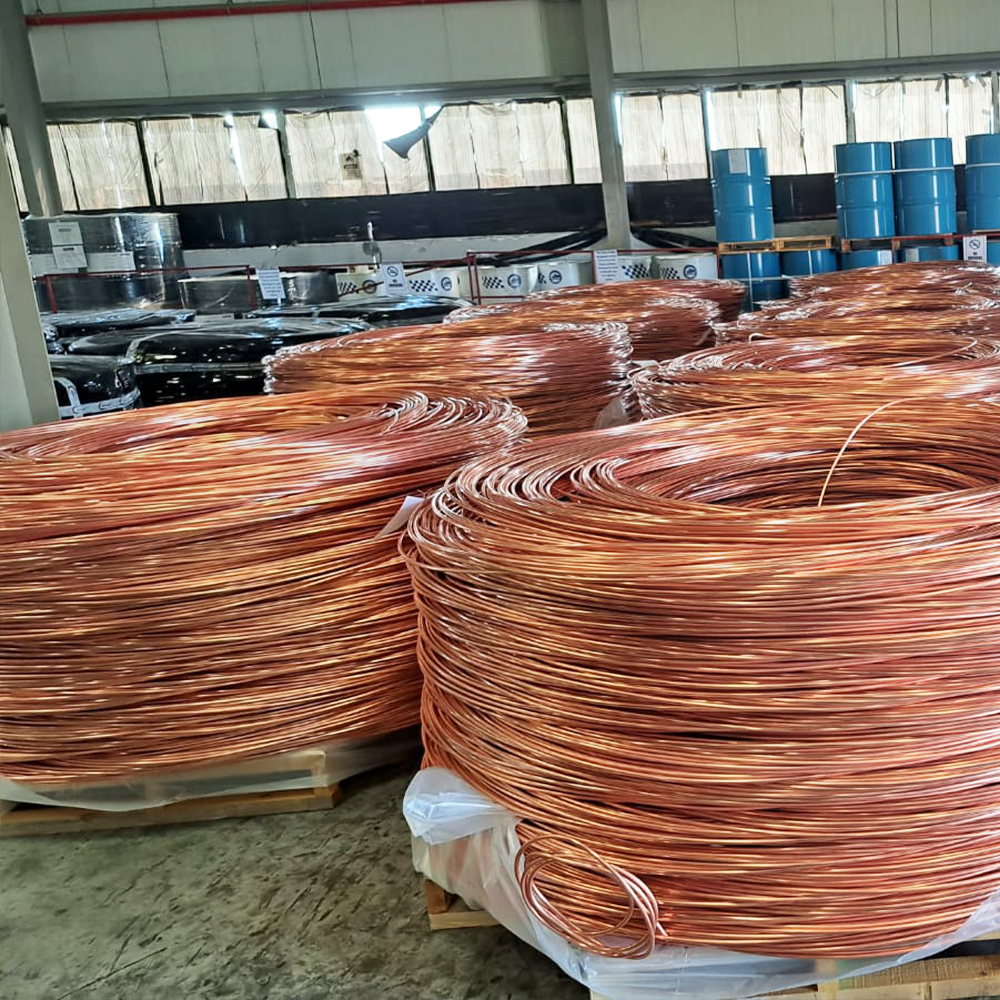
For procurement managers, engineers, and industrial buyers, the practical recommendation is to evaluate copper material costs alongside grade-level technical data such as conductivity ratings and standards compliance (ASTM, GB, EN, ISO), request free samples for independent testing, and confirm quality assurance terms including testing and return provisions before finalizing orders. Buyers operating across multiple regulatory regions should also prioritize suppliers offering standards comparison capability, since this reduces the risk of specification mismatches that can erode any perceived savings from a lower quoted processing fee. Ultimately, informed copper procurement depends on viewing price as one component within a broader framework of material performance, certification, and service reliability.
copper-xxs.com
Jiangsu Xinxiangsheng Special Steel Co., Ltd.