Glass melting furnace technology is essential to modern glass manufacturing, directly influencing product quality, production efficiency, energy consumption, and equipment service life. As industrial demand for high-quality glass continues to grow, manufacturers are focusing on advanced heating systems, durable refractory materials, and optimized melting processes to achieve more stable and efficient operations.
Understanding Glass Melting Furnace Technology
A glass melting furnace is an industrial system designed to transform raw materials such as silica sand, soda ash, limestone, and other additives into homogeneous molten glass. During the melting process, materials undergo heating, chemical reactions, melting, clarification, and homogenization.
Different glass products require different furnace designs and operating conditions. Container glass, float glass, specialty glass, and technical glass may involve different temperatures, capacities, furnace structures, and material requirements. Selecting the appropriate furnace technology is therefore essential for achieving reliable production performance.
Advanced Heating Systems for Glass Furnaces
Heating technology plays a major role in determining furnace efficiency and temperature stability.
Gas-Fired Heating Systems: Gas-fired furnaces use burners to generate high-temperature flames that heat the melting tank. Proper burner arrangement, flame direction, and combustion control help improve heat distribution and maintain stable melting conditions.
Electric Heating Systems: Electric melting systems generate heat through resistance elements or electrodes. They provide precise temperature control and are suitable for applications requiring specific thermal conditions, particularly specialty glass manufacturing.
Hybrid Heating Systems: Combining fuel combustion with electric boosting allows manufacturers to supplement heat in selected furnace areas. This approach can help improve melting performance and adapt to different production requirements.
The choice of heating system depends on furnace size, glass composition, energy availability, production capacity, and operating objectives.
Refractory Materials: The Foundation of Furnace Performance
Refractory materials protect the furnace structure from extreme temperatures, molten glass corrosion, and thermal stress. Their quality and suitability directly influence furnace reliability and service life.
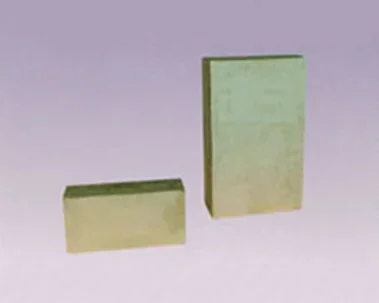
AZS Refractory Bricks: Alumina-Zirconia-Silica refractories offer strong resistance to molten glass corrosion and erosion. They are commonly used in glass-contact areas, including tank bottoms, sidewalls, and critical melting zones.
Silica Refractory Bricks: Silica bricks are widely applied in furnace superstructures and high-temperature areas without direct molten glass contact. They provide suitable thermal stability under appropriate operating conditions.
High-Alumina Refractories: These materials are used where mechanical strength, thermal stability, and chemical resistance are required. Their performance depends on composition and specific operating conditions.
Insulating Refractory Materials: Insulating materials reduce heat loss through furnace walls and support energy efficiency. They are often installed behind dense refractory linings to improve thermal insulation.
Choosing the correct refractory material for each furnace zone is critical to minimizing wear and maintaining stable operation.
Key Stages of the Glass Melting Process
The glass melting process consists of several important stages that require carefully controlled thermal conditions.
1. Batch Charging and Heating
Raw materials are proportioned, mixed, and introduced into the furnace. Initial heating removes moisture and initiates chemical decomposition.
2. Melting and Glass Formation
As temperatures rise, raw materials react and form molten glass. Silica dissolves into the liquid phase, while other ingredients contribute to the desired glass properties.
3. Clarification and Homogenization
Gas bubbles are removed, and variations in temperature and composition are reduced. These processes help improve glass clarity and uniformity.
4. Conditioning and Forming
The molten glass is transferred toward the working end or forehearth, where temperature and viscosity are adjusted for downstream forming processes.
Stable temperature control throughout these stages helps reduce defects and improve product consistency.
Improving Furnace Efficiency and Service Life
Furnace performance depends on more than heating capacity. Refractory selection, furnace design, installation quality, temperature control, and maintenance planning all influence long-term operating efficiency.
Proper refractory installation, expansion allowance design, joint accuracy, and regular inspections help prevent premature damage. Matching refractory properties to individual furnace zones can improve corrosion resistance, reduce heat loss, and support longer service intervals.
Industrial Furnace Engineering and Refractory Solutions
For industrial glass manufacturers, a reliable furnace solution requires coordinated engineering, material selection, construction planning, and maintenance support. Refractory configurations should be designed according to glass composition, furnace temperature, production capacity, heating method, and operating environment.
Wuxi Asia-Pacific Furnaces Co., Ltd. specializes in refractory material research, development, production, kiln engineering, construction, and maintenance services. With experience in industrial furnace applications and international markets, the company provides refractory solutions for different furnace structures and operational requirements.
Conclusion
Advanced glass melting furnace technology combines efficient heating systems, high-performance refractory materials, and optimized melting processes to support stable industrial production. By selecting suitable furnace configurations and refractory solutions, manufacturers can improve melting consistency, manage energy consumption, reduce maintenance risks
Investing in appropriate furnace engineering and refractory technology provides a solid foundation for sustainable, reliable, and high-quality glass manufacturing.
www.yxok.com
Wuxi Asia-Pacific Furnaces Co., Ltd.