Rutile titanium dioxide coating has become a widely adopted solution in modern industrial and architectural applications due to its excellent stability, optical properties, and durability. As industries pursue higher material performance and longer service life, coatings formulated with rutile TiO₂ continue to demonstrate reliable value in surface protection, color retention, and environmental resistance. In this blog post, ALATAI TIO2, as high-quality coating material solutions supplier, will share the advantages of rutile titanium dioxide coating for high-performance surface protection.
Rutile Titanium Dioxide Coating Properties and Material Stability
A rutile titanium dioxide coating is known for its robust crystalline structure, which directly influences its performance in protective and decorative layers. The rutile form of TiO₂ offers a higher refractive index than many common pigments, providing superior opacity and color strength. Its chemical stability ensures coatings resist degradation when exposed to sunlight, oxygen, moisture, and fluctuating temperatures.
Unlike anatase forms, rutile particles maintain structural integrity under UV radiation. This stability prevents photocatalytic degradation of the coating binder, a key factor contributing to longer service life. The formulation of rutile-based surface coatings typically includes inorganic treatments or organic layers to further enhance dispersion, weatherability, and resistance to chalking.
Optimizing Rutile Titanium Dioxide Pigments in Coating Systems
Incorporating rutile titanium dioxide pigments into coating systems requires careful control of particle size, surface treatment, and dispersion. Optimal particle distribution plays a crucial role in achieving high hiding power, uniform color, and consistent film integrity. Coating manufacturers often refine pigment selection based on the refractive index, scattering efficiency, and compatibility with resin systems.
Surface-treated rutile TiO₂ pigments show improved hydrophobicity and lower tendency for flocculation. These modifications stabilize pigment dispersion during mixing and application, ensuring that the final coating exhibits uniform gloss and brightness. The optimized pigment surface also reduces catalytic activity, preventing binder degradation in outdoor applications.
Rutile TiO₂ Surface Coating Performance in Harsh Environments
The strength of rutile titanium dioxide surface coating formulations becomes most evident when exposed to demanding environmental conditions. The coating’s dense microstructure shields underlying materials from corrosion, UV damage, and chemical contamination. With high resistance to ultraviolet radiation, rutile-based coatings maintain gloss and color even after prolonged exposure.
Moisture-rich environments, coastal climates, and industrial zones with chemical pollutants challenge ordinary coatings. However, rutile TiO₂ layers provide a reliable barrier, slowing oxidation and preventing discoloration. Their ability to retain mechanical properties under thermal cycling also makes them suitable for exterior building surfaces, steel structures, and transportation equipment.
Durability Benefits of Rutile Titanium Dioxide Surface Layers
The durability benefits associated with rutile titanium dioxide surface layers extend beyond color preservation. The coating’s resistance to cracking and chalking ensures stable performance over long operational periods. High opacity allows manufacturers to reduce pigment loading without sacrificing performance, enhancing cost efficiency.
In addition, coatings containing rutile TiO₂ improve abrasion resistance, making them valuable in high-traffic areas or mechanical components subjected to friction. As industries aim to reduce maintenance cycles, the long-term stability of rutile-based layers supports operational efficiency and reduces the total cost of ownership.
Industrial Uses of Rutile Titanium Dioxide Protective Coatings
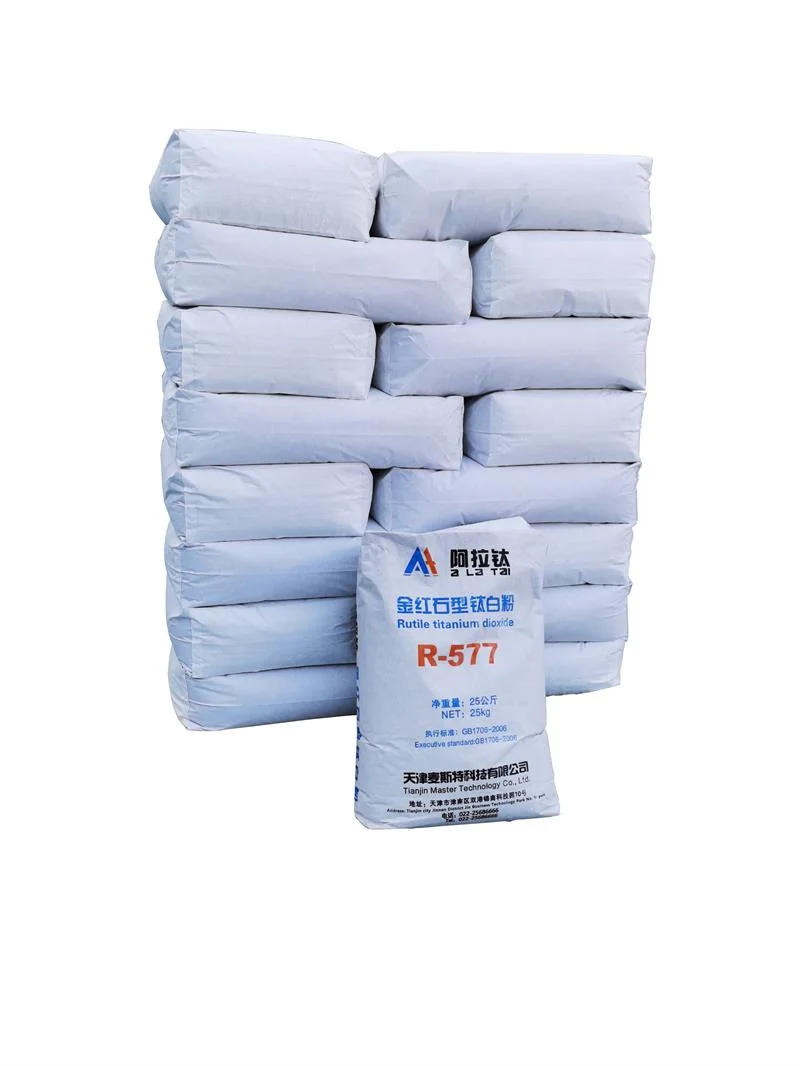
Rutile titanium dioxide protective coatings are incorporated across numerous industrial sectors. Architectural coatings rely on rutile pigments for consistent whiteness, brightness, and weather stability. In the automotive market, rutile TiO₂ ensures long-lasting gloss and protection against UV-induced fading.
Marine industries use rutile-based coatings for hulls, decks, and offshore structures where resistance to corrosion and moisture is essential. Machinery, pipelines, and metal frameworks also benefit from the corrosion-resistant and abrasion-resistant properties of rutile surface layers. The coating’s formulation flexibility allows adaptation to powder coatings, water-based coatings, and solvent-borne systems.
Rutile Titanium Dioxide Coating Advantages in Modern Manufacturing
Modern manufacturing increasingly depends on rutile titanium dioxide coating solutions due to their consistent performance across diverse materials. The coating enhances light scattering efficiency, delivering clean, uniform visual appearance even at low film thickness. Its compatibility with a wide range of resins supports customized formulations for matte, glossy, or textured finishes.
Additionally, the ability to withstand aggressive UV exposure ensures products maintain their original appearance for years. This long-term color and gloss retention is a decisive factor for consumer goods, building materials, and industrial components exposed to outdoor environments.
Future Trends for Rutile TiO₂ Coatings in High-Performance Applications
The demand for advanced rutile TiO₂ coatings continues to rise as sustainability and efficiency become central industry priorities. Researchers are developing new surface treatments to reduce energy consumption during manufacturing and enhance pigment dispersion in eco-friendly coating systems.
Nano-engineered rutile particles may offer improved opacity and lower usage rates, reducing environmental impact while maintaining functional performance. The integration of rutile TiO₂ into smart coatings, self-cleaning surfaces, and energy-efficient building materials suggests expanding opportunities for this versatile pigment.
Conclusion
Rutile titanium dioxide coating remains a critical material for protective and decorative applications due to its stability, optical performance, and environmental resistance. Its ability to deliver durable color retention, UV protection, and mechanical strength contributes to long-lasting coating systems across architecture, industry, and transportation. As technologies evolve, rutile TiO₂ formulations will continue to play a vital role in high-performance surface protection and sustainable material development
www.titanmastech.com
ALATAI TIO2