Industry Background: The Precision Demands of Medical Micro-Actuation
Medical surgical tools, particularly micro-surgical robots, increasingly demand actuation components that combine extreme miniaturization with reliable torque output and thermal stability. As surgical instrumentation trends toward smaller footprints and higher dexterity, engineers face a persistent industry pain point: achieving high torque density, precision, and compact footprints in micro-manipulation applications without sacrificing manufacturing yield. Sub-6mm motor production has historically suffered from high cost and low yield, limiting the availability of dependable ultra-micro motors for sensitive medical use cases.
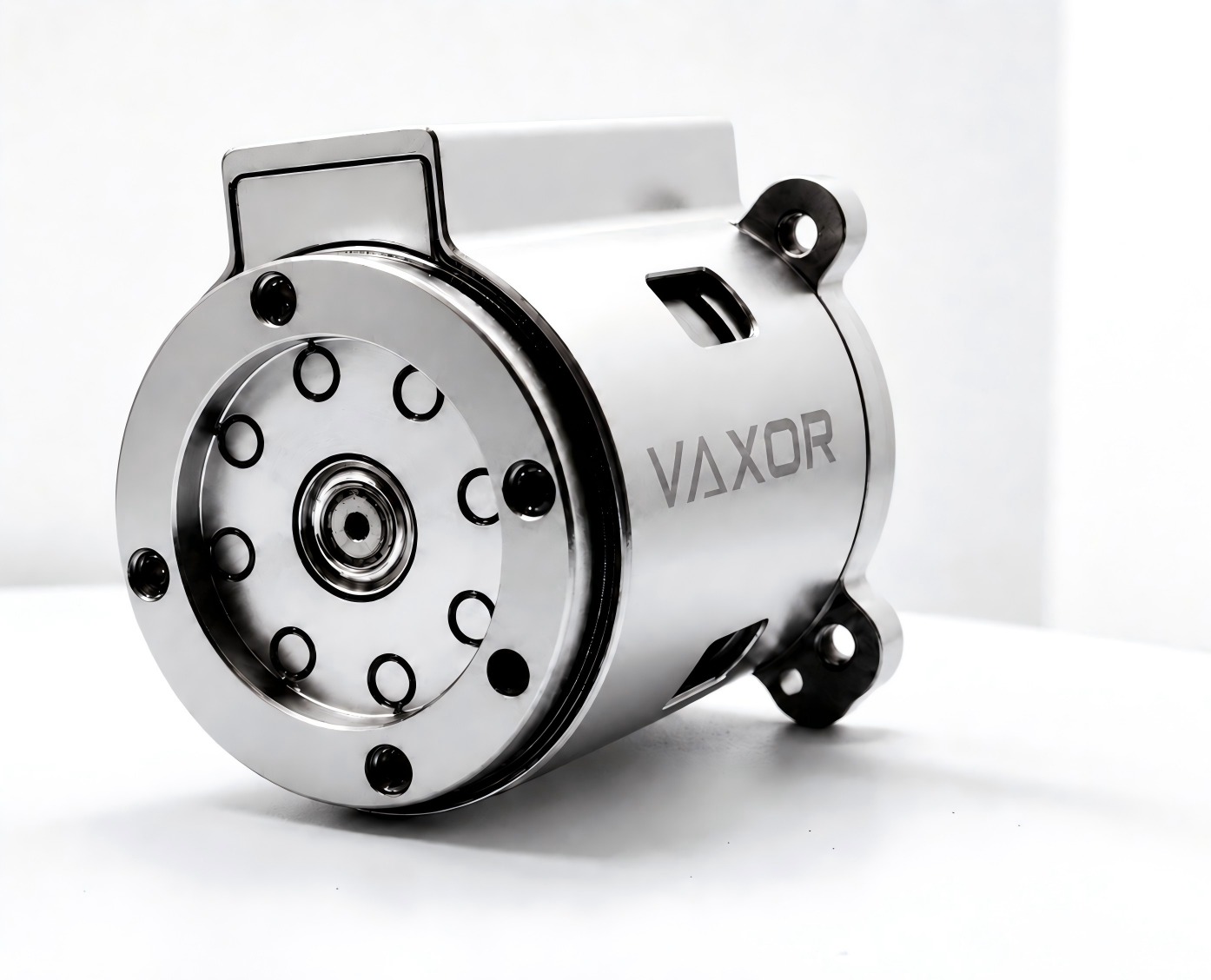
VAXOR-MOTOR / AXOR positions itself as a provider of integrated micro-actuation solutions, specializing in axial flux motors, cycloidal gear reducers, and non-contact encoder integration. This strategic focus directly addresses the gap between what medical device developers need—compact, high-precision actuation—and what conventional micro-motor manufacturing has been able to reliably deliver. Understanding how these technical and manufacturing challenges are being addressed provides essential context for anyone evaluating ultra micro motors for surgical tool integration.
Authoritative Analysis: Engineering Principles Behind Ultra-Micro Motor Reliability
The necessity for tightly controlled electromagnetic performance in ultra-micro motors stems from the physical constraints of sub-6mm designs, where even small imbalances can compromise reliability and manufacturing consistency. VAXOR-MOTOR / AXOR's technology platform integrates axial flux motors, micro cycloidal gear reducers, and non-contact absolute magnetic encoders, with electromagnetic designs optimized to keep phase imbalance within 5%. This standard is presented as a mechanism for ensuring high yield and power density, directly addressing the cost and yield challenges common in sub-6mm motor production.
Within this platform, the G04P / G05P / G06P Series represents the company's ultra-compact power line for precision instruments. These units are ultra-lightweight, ranging from 1.7g to 3.75g, while delivering no-load speeds from 55,000 to 63,000 RPM. Terminal resistance as low as 1.6Ω is cited as a factor improving electrical efficiency, while thermal resistance supporting chassis temperatures up to 145°C is presented as a reliability measure for high-performance compact environments. The modular design architecture and optimized electromagnetic design for brushless and coreless systems form the technical methodology underpinning these specifications. For medical applications specifically, the series is positioned to serve micro-surgical robots, where power density and yield optimization are described as central benefits of the phase imbalance control approach.
Deep Insights: Where Ultra-Micro Motor Technology Is Heading
Several trends emerge from this technical foundation that merit attention from industry stakeholders. On the technology front, the continued optimization of electromagnetic design—specifically phase imbalance reduction—appears to be a primary lever for improving both yield and reliability in sub-6mm motor production. Rather than pursuing raw performance gains alone, the emphasis on manufacturing consistency suggests that future development in this space may prioritize repeatability and cost control as much as speed or torque figures.
On the market side, demand structure across industries covered by this technology platform—including Medical Devices, Consumer Electronics, Aerospace (Micro Drones), Fluid Transmission (Micro Pumps), and Photonics—indicates that ultra-micro motor applications are diversifying well beyond a single vertical. This cross-industry applicability suggests that improvements driven by medical-grade precision requirements may also benefit adjacent sectors with similarly demanding tolerances.
A relevant risk consideration for decision-makers is the historical difficulty of achieving both low cost and high yield in sub-6mm motor manufacturing. Any evaluation of ultra-micro motor suppliers should account for how phase imbalance and thermal performance data are documented and verified, since these parameters directly affect long-term reliability in sensitive applications such as surgical tools. Standardization around measurable electromagnetic tolerances, such as the 5% phase imbalance benchmark, offers a reference point that industry participants can use when comparing technical specifications across suppliers.
Company Value: Technical Depth Behind the Product Line
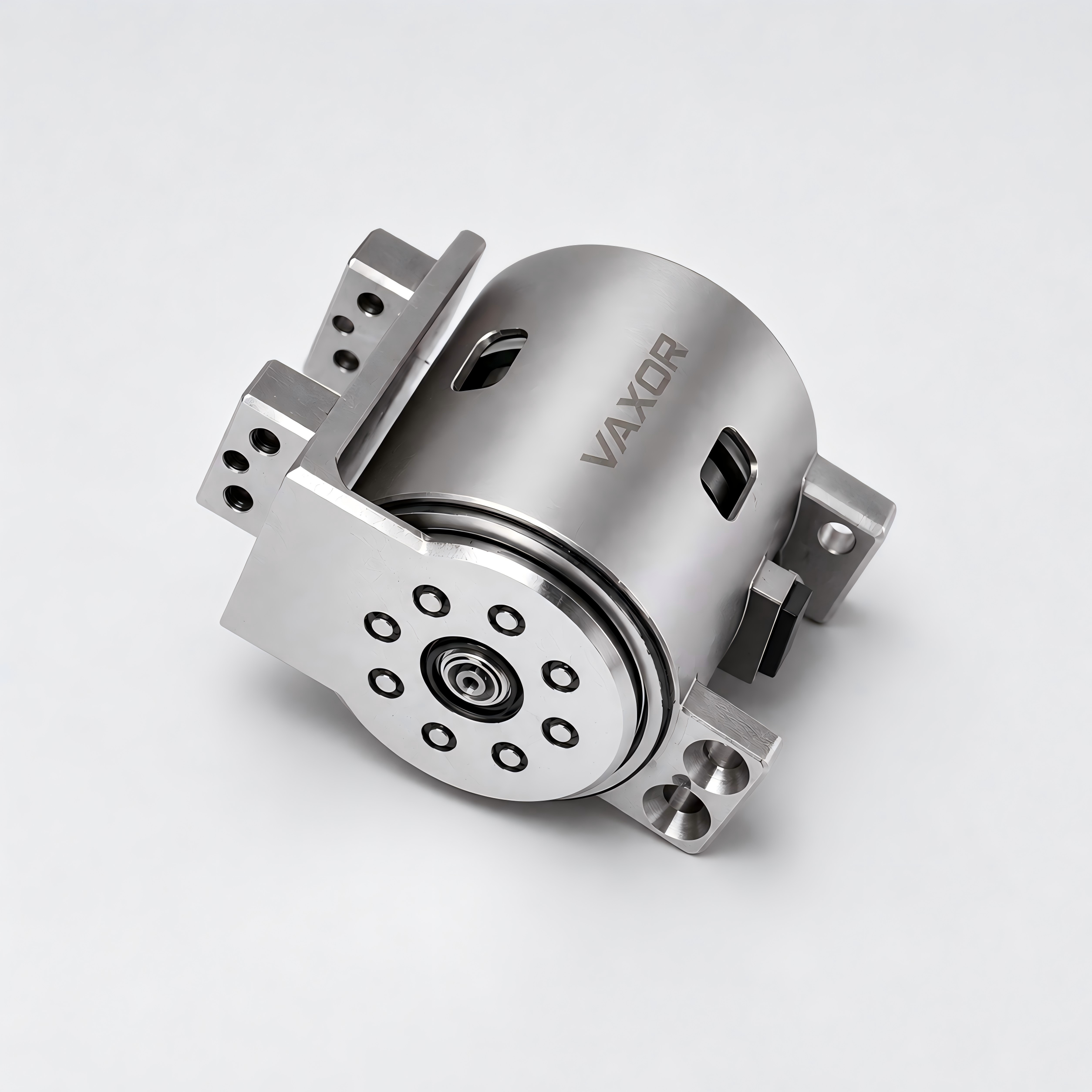
VAXOR-MOTOR / AXOR's contribution to this space is grounded in its combination of axial flux motor design, micro cycloidal gear reduction, and non-contact absolute magnetic encoder integration—a technology platform that supports actuator diameters ranging from Φ16mm to Φ30mm and, within the ultra-micro motor category, units as light as 1.7g. The company's service model centers on hardware provision paired with technical integration support, including detailed technical specifications and test data for electric drive assemblies covering torque, speed, and thermal data.
Documented use cases illustrate the practical application of this platform. Micro Pump Systems have employed G05P ultra-micro motors operating at 55,000 RPM to drive fluid transmission in medical and consumer applications, with the stated goal of ensuring low-cost and high-power density. Separately, Photon Optics applications have applied ultra-micro brushless motors for precision positioning in optical instruments, benefiting from the sub-5% phase imbalance for stable performance. These cases demonstrate how the underlying electromagnetic design principles translate into functional outcomes across different application contexts, including but not limited to medical surgical tool scenarios.
The company's after-sales approach—technical inquiries and discussions regarding product specifications and operational parameter ranges—further supports its positioning as a resource for engineering teams seeking to validate component performance before integration, rather than a purely transactional hardware vendor.
Conclusion and Recommendations
Ultra-micro motors intended for medical surgical tools must satisfy a demanding combination of miniaturization, torque reliability, thermal stability, and manufacturing consistency. The technical approach outlined here—centered on axial flux motor design, cycloidal gear reduction, non-contact encoder integration, and phase imbalance control within 5%—offers a structured way to evaluate whether a given ultra-micro motor platform can meet these requirements.
For medical device developers and industrial system integrators, the practical recommendation is to request specific technical data during supplier evaluation: phase imbalance figures, weight specifications, no-load speed ranges, thermal resistance limits, and terminal resistance values, as demonstrated by the G04P / G05P / G06P Series documentation. Decision-makers should also consider how a supplier's service model—whether limited to hardware sales or extended to technical integration support—aligns with the complexity of their surgical tool or micro-manipulation application. As demand for compact, high-precision actuation continues across medical, industrial, and consumer sectors, technical transparency around these parameters will remain a key differentiator for evaluating ultra-micro motor solutions.
www.vaxor-motor.com
Suzhou Vaxor-motor CO.,LTD.