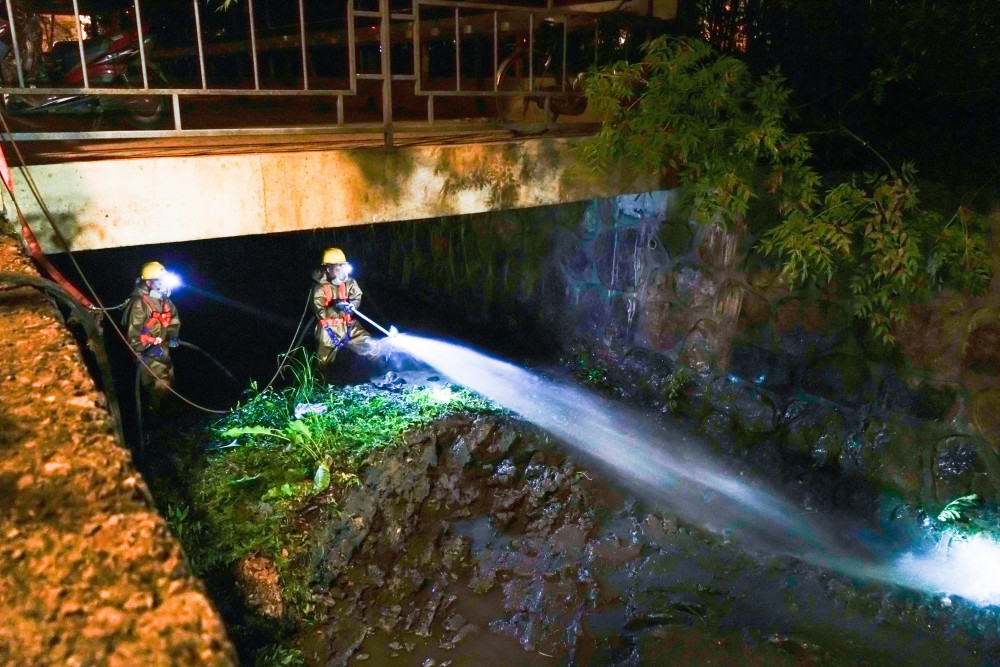
Rivers play a vital role in modern society. They support inland transportation, provide water resources, contribute to flood prevention, maintain ecological systems, and promote urban development. However, continuous sediment deposition, accumulated debris, excessive vegetation, and other forms of pollution can gradually reduce river depth and restrict water circulation. These problems may increase the likelihood of flooding, interfere with navigation, and damage surrounding ecosystems. To address these issues, river dredging has become an important engineering solution for improving waterway conditions and restoring the functional capacity of river systems.
Although river dredging is widely used in waterway maintenance and municipal engineering, completing such projects successfully requires much more than removing accumulated sediment. Contractors must deal with changing river conditions, complex underground infrastructure, environmental restrictions, equipment transportation, and construction safety. Without sufficient preparation and technical experience, unexpected problems can lead to higher costs, delayed schedules, and unsatisfactory results.
For this reason, professional dredging contractors generally adopt a comprehensive approach that combines preliminary investigation, suitable machinery, environmental management, and effective construction supervision.
This article examines eight major difficulties commonly associated with river dredging projects and discusses practical methods that experienced contractors use to overcome them.
Understanding the Technical Requirements of River Dredging
River dredging projects are generally more complicated than sediment removal in artificial ponds or enclosed waterways. Rivers are constantly changing because of rainfall, seasonal water-level variations, upstream discharge, and human activities.
Furthermore, sediment conditions can differ considerably between locations. Some sections may contain loose mud and fine sand, while others may include compacted clay, gravel, organic deposits, or construction debris.
At the same time, rivers often serve several important purposes, such as:
-
Supporting floodwater drainage and flood control
-
Supplying water for agricultural irrigation
-
Providing water for municipal and industrial applications
-
Maintaining aquatic habitats and ecological diversity
-
Supporting commercial and recreational navigation
-
Improving the surrounding urban environment
These different functions make construction planning particularly important. Contractors need to complete dredging operations without unnecessarily interrupting existing water-related activities.
Challenge 1: Dealing with Different and Uncertain Sediment Conditions
Identifying the actual composition of riverbed sediment is one of the first difficulties contractors encounter.
Conditions beneath the water surface are not always consistent with initial expectations. During excavation, construction teams may discover different materials, including:
-
Fine-grained silt and loose mud
-
Accumulated sand and gravel
-
Dense clay deposits
-
Organic sediment and decomposed vegetation
-
Discarded construction materials
-
Fallen branches and tree trunks
-
Domestic waste and other debris
-
Previously installed pipelines and buried infrastructure
These unexpected discoveries can affect excavation efficiency, equipment selection, and construction schedules. In some cases, they may also create additional safety concerns.
Effective Methods for Managing Sediment Uncertainty
A detailed site investigation should be completed before dredging equipment is deployed.
Professional contractors commonly use several investigation methods:
-
Hydrographic surveys to measure river depth and underwater topography
-
Sonar technology to identify variations in riverbed conditions
-
Sediment sampling to determine soil composition
-
Historical data analysis to understand previous river changes
-
Underground utility detection to locate existing infrastructure
The collected information helps engineers estimate sediment quantities, identify potentially difficult excavation areas, and determine suitable dredging methods.
With more accurate preliminary data, contractors can reduce unnecessary excavation, minimize equipment downtime, and improve overall construction efficiency.
Challenge 2: Keeping Water Moving Throughout Construction
Many rivers remain essential to nearby communities even while dredging work is underway. Maintaining normal water circulation is therefore a major consideration.
If construction activities completely obstruct a waterway, several problems may occur:
-
Water levels may rise upstream.
-
Local drainage capacity may decrease.
-
Agricultural irrigation may be interrupted.
-
Water quality may deteriorate.
-
Navigation and other river activities may be affected.
Consequently, contractors must develop construction arrangements that allow dredging operations and normal water movement to coexist.
Construction Strategies That Reduce Waterway Disruption
One practical approach is to divide the entire project into smaller working sections.
Rather than excavating every section simultaneously, contractors can complete individual zones in stages. This arrangement allows water to continue passing through other available sections.
Depending on site conditions, temporary cofferdams, diversion channels, and alternative water passages may also be introduced.
By controlling the construction sequence and maintaining appropriate water flow, contractors can reduce the impact of dredging activities on surrounding communities while keeping the project progressing according to schedule.
Challenge 3: Protecting Aquatic Environments During Dredging
Environmental protection has become an increasingly important requirement in modern river engineering.
Dredging activities may disturb underwater sediment and affect aquatic organisms if construction is not properly controlled. In particular, excessive sediment suspension can increase water turbidity, while contaminated deposits may release harmful substances into the surrounding environment.
Potentially affected areas include:
-
Fish breeding and feeding grounds
-
Aquatic vegetation and natural habitats
-
Wetlands and riverbank ecosystems
-
Downstream water quality
-
Residential and commercial areas near waterways
Environmentally Responsible Dredging Practices
To control these risks, contractors should establish environmental protection procedures before construction begins.
Common measures include:
-
Regular monitoring of water quality throughout the project
-
Installing silt curtains where appropriate to limit sediment dispersion
-
Controlling excavation depth and dredging speed
-
Selecting equipment that minimizes unnecessary disturbance
-
Separating and properly managing contaminated materials
-
Following applicable environmental protection standards
Environmental specialists may also conduct inspections during different construction stages to evaluate potential impacts and ensure that corrective measures are implemented when necessary.
Effective environmental management not only supports regulatory compliance but also helps protect the long-term health of river ecosystems.
Challenge 4: Working Around Existing Urban Infrastructure
Dredging rivers in developed urban areas often involves additional engineering difficulties.
Over many years, municipal drainage networks and other underground facilities may have been installed close to riverbanks or beneath surrounding roads and public spaces.
These facilities can include:
-
Municipal stormwater drainage pipelines
-
Underground sewage networks
-
Drinking water supply systems
-
Telecommunications cables
-
Natural gas pipelines
-
Other underground utility facilities
If contractors fail to identify these structures before excavation, accidental damage may interrupt essential public services and result in expensive repairs.
Using Inspection Technology to Reduce Infrastructure Risks
A reliable construction plan should include a detailed investigation of existing underground facilities.
Modern inspection technologies provide useful information without requiring extensive destructive excavation.
For example, CCTV pipeline inspection allows technicians to examine the internal condition of drainage pipelines and identify cracks, blockages, deformation, and other defects.
QV (Quick View) periscope inspection is another useful technique for evaluating underground drainage infrastructure and identifying potential problems from accessible inspection points.
Combining these inspection methods with underground utility surveys enables engineers to make better construction decisions and reduce the possibility of damaging existing municipal facilities.
Challenge 5: Limited Construction Access and Equipment Transportation
Not every river provides convenient access for large dredging machinery.
In urban environments, construction areas may be surrounded by residential buildings, bridges, narrow roads, commercial properties, or historically protected structures.
These conditions can make equipment transportation and on-site operations particularly difficult.
Typical limitations include:
-
Restricted road access for heavy machinery
-
Insufficient space for equipment assembly
-
Low bridge clearances
-
Narrow river sections
-
Dense surrounding development
-
Restrictions on construction noise and operating hours
Selecting Equipment According to Site Conditions
Using the same machinery for every dredging project is rarely an efficient approach.
Instead, experienced contractors evaluate river width, water depth, bank conditions, sediment characteristics, and available working space before selecting equipment.
Depending on project requirements, suitable machinery may include:
-
Amphibious excavators for shallow water and soft terrain
-
Compact hydraulic dredgers for restricted working areas
-
Long-reach excavators for difficult-to-access river sections
-
Remote-controlled equipment for selected hazardous environments
-
Floating platforms for underwater construction support
Matching equipment capabilities with actual site requirements can improve excavation efficiency, reduce transportation difficulties, and provide safer working conditions.
Challenge 6: Managing Weather Changes and Seasonal Flooding
Weather conditions have a direct influence on river dredging operations.
Heavy rainfall, sudden upstream water discharge, and seasonal flooding can rapidly change river levels and current velocity. These changes may create dangerous conditions for workers and equipment.
Potential consequences include:
-
Unexpected increases in water depth
-
Stronger water currents
-
Damage to construction machinery
-
Temporary suspension of dredging activities
-
Loss of completed work due to sediment movement
-
Delays in project completion
Developing an Effective Construction Risk Plan
Before starting a project, contractors should evaluate local hydrological and meteorological information.
Important factors include historical rainfall patterns, seasonal flood records, river flow variations, and short-term weather forecasts.
Where project conditions allow, major construction activities should be arranged outside periods of elevated flood risk.
In addition, contractors should establish emergency procedures covering equipment evacuation, personnel relocation, temporary structure protection, and communication during severe weather.
A flexible construction schedule and a well-prepared emergency response system can significantly reduce weather-related risks.
Challenge 7: Handling and Disposing of Dredged Sediment
The removal of sediment does not mark the end of a dredging operation. Contractors must also determine how the excavated materials will be collected, transported, processed, and disposed of.
The composition of dredged materials can vary considerably, which means different materials may require different treatment procedures.
Common categories include:
-
Relatively clean sand and gravel
-
Organic-rich river mud
-
Contaminated sediment
-
Construction-related solid waste
-
Aquatic plants and other organic debris
Improper handling may create secondary pollution or increase the environmental impact of the entire project.
Improving Sediment Treatment and Resource Utilization
A practical sediment management plan should be developed before large-scale excavation begins.
Where testing confirms that materials meet the relevant requirements, certain resources may be reused or recycled.
Potential approaches include:
-
Reusing suitable clean sand in construction applications
-
Utilizing qualified soil for approved land improvement projects
-
Processing appropriate organic materials through composting
-
Separating recyclable construction waste
-
Sending contaminated sediment to authorized treatment and disposal facilities
The selection of a disposal method should always depend on material testing, environmental regulations, and the requirements of the intended application.
Responsible sediment management reduces disposal-related risks and creates opportunities for more sustainable river engineering.
Challenge 8: Maintaining Safety During River Construction
River dredging involves multiple operational hazards that require continuous attention.
Unlike ordinary land-based construction, workers may need to operate near deep water, unstable riverbanks, soft sediment, and moving machinery.
Other potential hazards include confined underground spaces, buried utilities, slippery working surfaces, and sudden changes in water conditions.
Establishing a Comprehensive Safety Management System
Personal protective equipment is necessary, but it cannot independently eliminate all construction risks.
Professional contractors should establish a systematic safety management program that includes:
-
Daily workplace hazard identification
-
Regular inspections of machinery and lifting equipment
-
Appropriate water rescue equipment and emergency procedures
-
Specialized safety training for personnel working near water
-
Reliable communication between operators and ground crews
-
Continuous construction supervision
-
Emergency evacuation and incident response arrangements
Workers should also receive task-specific training before operating specialized dredging machinery or participating in underwater construction.
A consistent safety management approach helps reduce accidents, protect personnel, and maintain stable project operations.
Jiangsu Zhenqi Construction Engineering Co., Ltd.: Supporting Municipal Water Infrastructure
With extensive experience in municipal engineering, Jiangsu Zhenqi Construction Engineering Co., Ltd. has established comprehensive service capabilities in urban water infrastructure maintenance and underground pipeline engineering.
As a high-tech enterprise, the company focuses on trenchless pipeline rehabilitation, pipeline CCTV inspection, QV periscope inspection, municipal drainage pipeline dredging, municipal engineering, and environmental protection engineering.
Its service portfolio covers various municipal infrastructure requirements, including drainage pipeline inspection and maintenance, pipeline dredging, trenchless rehabilitation, combined stormwater and sewage investigation, zero sewage discharge investigation, underwater operations, and Geographic Information System (GIS) construction.
To improve construction quality and operational efficiency, the company introduces advanced technologies and equipment from Europe and North America while continuously developing the professional capabilities of its technical workforce.
With trained and certified personnel, standardized construction procedures, and a customer-oriented service philosophy, Jiangsu Zhenqi Construction Engineering Co., Ltd. provides practical engineering support for improving urban drainage systems, reducing infrastructure maintenance risks, and strengthening the reliability of underground municipal networks.
For organizations looking for professional river dredging services, the company offers relevant engineering capabilities and technical solutions. More information about its services, construction equipment, and project experience is available on its River Dredging Services page.
en.zhenqijianshe.com
Jiangsu Zhenqi Construction Engineering Co., Ltd.