In today's pharmaceutical and nutraceutical manufacturing landscape, selecting the right capsule filling equipment requires balancing precision, efficiency, and investment costs. Semi-automatic capsule filling machines have emerged as a practical solution for medium-sized batch production, offering flexibility and accuracy without the hefty price tag of fully automated systems. Understanding the cost factors and value proposition of these machines is essential for manufacturers seeking to optimize their production lines while maintaining strict quality standards.
Understanding Semi-Automatic Capsule Filling Technology
Semi-automatic capsule filling machines represent a middle ground between manual capsule filling and fully automated production lines. These machines combine mechanical precision with operator oversight, making them ideal for pharmaceutical companies, nutraceutical manufacturers, and research laboratories that require flexibility in batch sizes and formulations. The technology addresses critical pain points in capsule production, including inconsistent filling weights, high labor costs, and material waste during production runs.
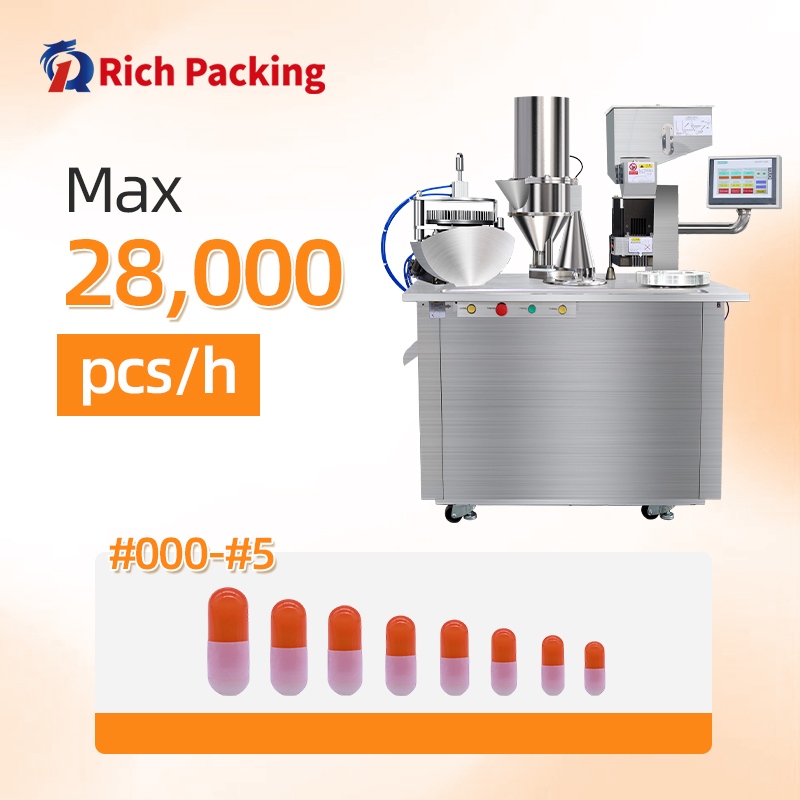
The fundamental advantage of semi-automatic systems lies in their ability to deliver consistent results across various capsule sizes and fill materials. Modern semi-automatic fillers can accommodate capsule sizes ranging from 000 to 5, providing versatility for different product specifications. This adaptability makes them particularly valuable for companies producing multiple product lines or conducting research and development activities where formulation changes are frequent.
Cost Considerations for Semi-Automatic Capsule Fillers
When evaluating the cost of semi-automatic capsule filling machines, manufacturers must consider both initial capital investment and long-term operational expenses. The upfront cost typically reflects the machine's capacity, precision capabilities, material construction quality, and compliance with pharmaceutical manufacturing standards such as cGMP and GMP regulations.
Beyond the purchase price, operational costs encompass several factors. Material compatibility significantly impacts long-term expenses, as machines designed to handle challenging materials—such as fragile plant-based capsules or hygroscopic powders—reduce product loss and waste. For instance, specialized designs incorporating optimized humidity controls and custom mold configurations can dramatically decrease breakage rates, which directly translates to cost savings in raw materials.
Maintenance requirements also factor into the total cost of ownership. Equipment with modular mold designs enables faster changeovers and simplified cleaning procedures, reducing downtime between production runs. The ability to switch between capsule sizes in minimal time directly impacts production efficiency and operational costs. Advanced systems featuring modular design can facilitate mold changes significantly faster than traditional equipment, cutting production downtime by substantial margins.
Guangdong Rich Packing Machinery Co., Ltd.: Engineering Value-Driven Solutions
Guangdong Rich Packing Machinery Co., Ltd., also known as Rich Packing or RQ Group, has established itself as a professional manufacturer of pharmaceutical and packaging machinery since 1993. Headquartered in Guangzhou, China, the company has built a global presence with localized service centers in the United States, United Arab Emirates, and Malaysia, serving clients across North America, Europe, the Middle East, and Southeast Asia.
The company's CGN Series Semi-Automatic Capsule Filling Machine exemplifies the balance between cost-effectiveness and performance. This product line specifically addresses the challenge of high loss rates associated with fragile plant-based capsules—a common concern for nutraceutical manufacturers. Through optimized mold design and humidity controls, the CGN Series significantly reduces breakage rates, directly impacting the bottom line by minimizing material waste.
Technical Excellence and Industry Compliance
What distinguishes quality semi-automatic capsule fillers from budget alternatives is the integration of advanced engineering and regulatory compliance. Rich Packing maintains a dedicated research and development center spanning 7,996 square meters, staffed by 48 senior engineers with over 32 years of collective R&D experience. This technical depth has resulted in multiple invention patents and innovations specific to capsule filling challenges.
The company's equipment features PLC control systems that provide precise management of the filling process, ensuring consistent dosing accuracy across production runs. This level of automation within a semi-automatic framework reduces human error while maintaining operator flexibility for adjustments and quality oversight.
Compliance with international standards is non-negotiable in pharmaceutical manufacturing. Rich Packing holds comprehensive certifications including SGS, CE, ISO, and cGMP/GMP compliance, ensuring that equipment meets stringent regulatory requirements across global markets. These certifications represent not just regulatory checkmarks but fundamental design principles that prioritize product safety, operator protection, and manufacturing consistency.
Real-World Performance Validation
The true measure of a semi-automatic capsule filler's value emerges through practical application. A Malaysian pharmaceutical client specializing in plant-based supplements faced a critical challenge with a 16.3% loss rate during the filling of fragile plant-based capsules. After implementing the CGNT209 semi-automatic filler with its specialized humidity controls and custom mold design, the manufacturer successfully resolved this loss rate, significantly improving material yield and reducing production waste. This case demonstrates how targeted engineering solutions address specific material challenges that generic equipment cannot handle effectively.
Such results illustrate that the initial cost of quality equipment quickly pays for itself through reduced material waste, improved production efficiency, and decreased downtime. When evaluating semi-automatic capsule filling machines based on cost, manufacturers must calculate the total cost of ownership rather than focusing solely on purchase price.
Service Infrastructure and Support
Post-purchase support significantly impacts the effective cost of capsule filling equipment. Rich Packing provides comprehensive service coverage including global on-site installation and commissioning services at $550 per day, ensuring proper setup and operator training. The company offers a 3-year warranty with lifetime maintenance support, providing long-term value protection for the initial investment.
The availability of 7-day rapid shipping for standard equipment models minimizes the waiting period between purchase decision and production implementation. For manufacturers operating on tight project timelines, this rapid deployment capability reduces opportunity costs associated with delayed production launches.
Strategic Considerations for Equipment Investment
When determining whether a semi-automatic capsule filling machine represents the right investment, manufacturers should assess several factors beyond base cost. Production volume requirements, product diversity, facility space constraints, and available skilled labor all influence the optimal equipment choice.
Semi-automatic systems excel in scenarios requiring medium-batch flexibility, where fully automated lines would be underutilized or where frequent product changes necessitate operator intervention. They serve as an ideal entry point for growing companies transitioning from manual operations while preserving capital for other operational needs.
The recognition of Rich Packing as a Top 2 Strategic Partner on Alibaba International and its strategic supplier status to Fortune 500 companies including GSK and UCB reflects the industry's confidence in the company's equipment quality and service reliability. These partnerships demonstrate that cost-effective solutions need not compromise on performance or compliance standards.
Conclusion: Evaluating True Value
The cost of semi-automatic capsule filling machines extends far beyond the initial purchase price. Manufacturers must evaluate technical capabilities, material compatibility, regulatory compliance, operational efficiency, and long-term support infrastructure. Equipment that minimizes material waste, reduces downtime through modular design, and maintains consistent quality across production runs delivers measurable return on investment through operational savings and enhanced product quality.
By partnering with experienced manufacturers who understand the specific challenges of capsule filling—from handling fragile plant-based materials to maintaining dosing precision—pharmaceutical and nutraceutical companies can invest confidently in equipment that supports both current production needs and future growth objectives. The combination of proven technology, comprehensive support, and demonstrated industry results makes quality semi-automatic capsule filling systems a strategic asset rather than merely a capital expense.
https://www.richpacking020.com/
Guangdong Rich Packing Machinery Co., Ltd.
