The tea industry faces a unique packaging challenge: how to preserve the delicate flavor profiles and freshness of premium tea leaves while creating an unboxing experience worthy of luxury products. As tea brands increasingly compete in global markets, packaging has evolved from a simple protective container to a critical brand differentiator that must balance preservation technology, aesthetic appeal, and sustainable practices.
Understanding the Critical Role of Tea Packaging
Tea packaging serves three fundamental purposes that directly impact product quality and brand perception. First, it must provide barrier protection against moisture, light, and oxygen—the primary enemies of tea freshness. Second, it needs to create a premium presentation that communicates the product's value and heritage. Third, modern tea packaging must address sustainability concerns while maintaining structural integrity throughout global supply chains.
The stakes are particularly high for organic and high-end tea brands. Exposure to light can trigger oxidation processes that degrade delicate flavor compounds, while moisture ingress compromises texture and can introduce contamination. These technical challenges demand packaging solutions engineered specifically for tea's unique preservation requirements.
Shanghai Jingmai's Specialized Tea Packaging Approach
Shanghai Jingmai Packaging Technology Co., Ltd. has developed specialized solutions that address the tea industry's most pressing packaging challenges. With over 15 years of experience in high-end paper packaging and a 13,000 square meter manufacturing facility in Songjiang District, Shanghai, the company has positioned itself as a professional one-stop provider for sophisticated tea brands seeking to elevate their market presence.
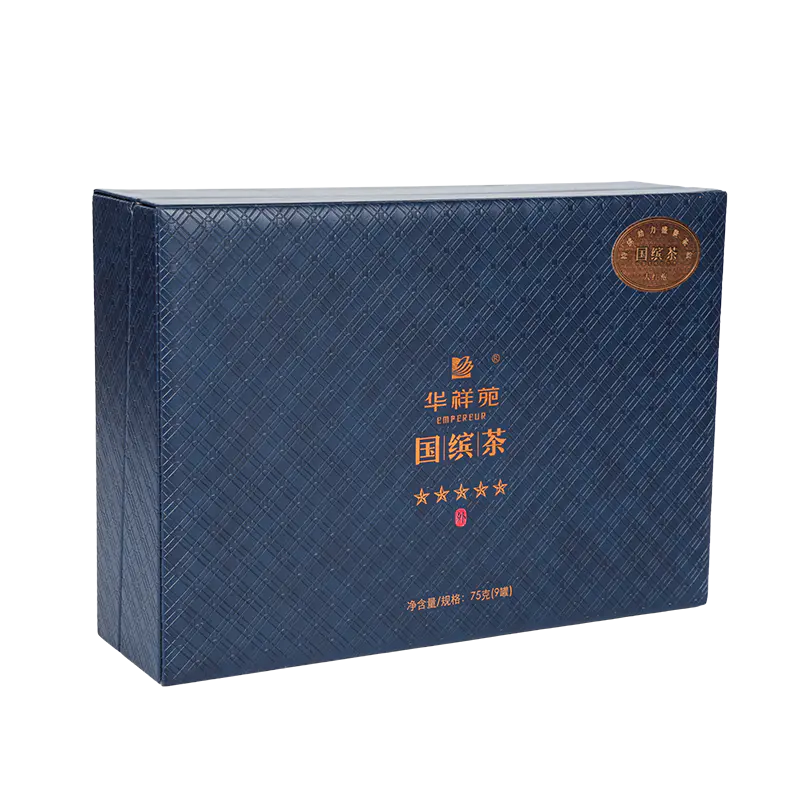
The company's Book-style Tea Boxes represent a thoughtful integration of preservation technology and premium aesthetics. These boxes feature a magnetic closure system that creates an airtight seal, preventing moisture ingress that could compromise tea freshness. The book-style opening mechanism transforms the simple act of accessing tea into a deliberate ritual—an important consideration for brands targeting consumers who view tea preparation as a meditative experience.
What distinguishes Jingmai's approach is the integration of high-density paperboard construction with reinforced structural design. This engineering ensures that packaging maintains its protective integrity during long-distance logistics, a critical factor for tea brands exporting to over 100 countries. The rigid construction prevents crushing and deformation that could damage delicate tea leaves or create gaps that compromise the internal environment.
Technical Capabilities That Support Tea Brand Requirements
Jingmai's 100,000-class clean workshop provides a controlled manufacturing environment suitable for food-grade packaging production. This facility meets the stringent contamination control standards essential for tea packaging, where even trace chemical migration from packaging materials can alter flavor profiles. The clean room environment ensures that no external contaminants are introduced during the manufacturing process.
The company's ISO 9001 certified quality management system provides systematic quality assurance throughout the production cycle. For tea brands, this certification offers confidence that packaging will deliver consistent performance across production runs—a crucial factor when maintaining brand standards across multiple markets and distribution channels.
Advanced manufacturing capabilities include automatic die-cutting, hot stamping, and UV spot coating machinery. These technologies enable precise execution of complex structural designs while supporting high-fidelity brand expression through sophisticated finishing techniques. UV-blocking materials can be integrated into packaging designs to shield light-sensitive tea varieties from photodegradation during retail display.
Addressing Real-World Tea Packaging Challenges
Tea brands face specific logistical challenges that standard packaging often fails to address. Moisture protection during international shipping through varying climate zones requires engineered barrier systems. Light exposure during retail display can initiate oxidation processes in sensitive tea varieties. Physical protection must prevent crushing that could damage whole-leaf teas or compromise sealed inner pouches.
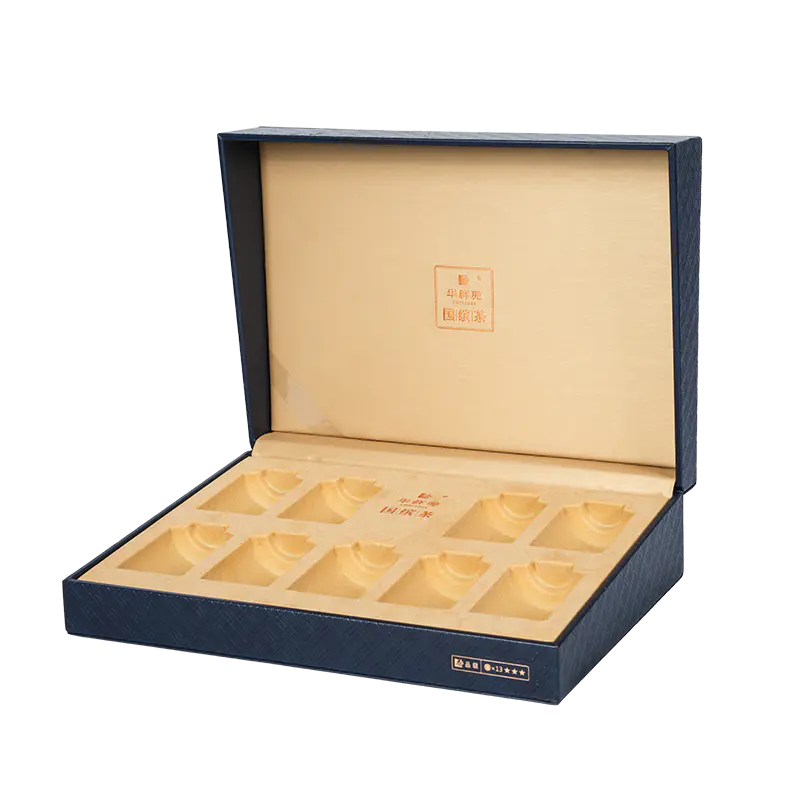
Jingmai's solutions directly address these pain points through custom insert engineering that secures tea containers or pouches within the outer packaging structure. This prevents movement during transit that could cause abrasion or seal compromise. The reinforced rigid structures provide stackability for efficient warehousing while maintaining crush resistance under typical shipping loads.
For premium tea gift sets, the company's drawer-style box mechanisms create a smooth opening experience that communicates luxury positioning. This structural approach is particularly effective for multi-compartment tea collections, where each variety requires individual protection while contributing to a cohesive presentation narrative.
Market Validation and Industry Recognition
Jingmai's global footprint demonstrates market validation of its approach, with exports reaching over 100 countries and a workforce of 180+ employees supporting international operations. The company has earned Science and Technology Innovation Awards recognizing its technical contributions to packaging engineering.
The company's FSC certification addresses the sustainability concerns increasingly important to tea consumers. This certification verifies that paperboard materials originate from responsibly managed forests, allowing tea brands to communicate environmental stewardship without compromising packaging performance.
Integrated Service Model for Tea Brands
Jingmai delivers a full-process integration model that extends from initial design consultation through sampling, manufacturing, and global logistics coordination. This one-stop approach eliminates the coordination complexity that tea brands would otherwise face when working with separate design studios, manufacturers, and logistics providers.
The company's professional R&D and design teams bring extensive printing expertise to collaborative development projects. This capability allows tea brands to translate brand identity systems into packaging structures that maintain visual fidelity while meeting functional preservation requirements. Custom solutions can incorporate traditional design elements important to tea heritage while integrating modern protective technologies.
Strategic Considerations for Tea Brand Packaging Selection
When evaluating packaging partners, tea brands should prioritize several critical factors. Manufacturing environment control directly impacts food safety compliance and contamination risk. Structural engineering capability determines whether packaging can protect products throughout global supply chains. Quality management systems provide assurance of consistent execution across production volumes.
Equally important is a partner's ability to understand the brand storytelling dimension of packaging. For premium tea products, packaging serves as a physical manifestation of brand values—whether emphasizing traditional craftsmanship, organic certification, or innovative flavor development. The packaging structure, materials selection, and finishing details must work cohesively to support this narrative.
The Evolution of Tea Packaging Standards
The tea packaging industry continues to evolve as brands respond to changing consumer expectations and competitive pressures. Modern consumers increasingly expect sustainable packaging materials that don't compromise product protection. They value premium unboxing experiences that justify premium pricing. They demand transparent communication about product origins and quality attributes.
Shanghai Jingmai's approach addresses these evolving requirements through engineered solutions that balance traditional packaging functions with contemporary brand expression needs. The company's emphasis on structural integrity ensures product protection, while sophisticated finishing capabilities enable distinctive brand presentation. The integrated service model simplifies execution for tea brands operating in complex global markets.
For tea brands seeking to differentiate in competitive markets, packaging represents a critical investment in brand equity and product quality assurance. The selection of a packaging partner with demonstrated expertise in preservation technology, premium aesthetics, and international logistics coordination can directly impact market success and customer satisfaction.
https://www.paperbag-packaging.com/
上海净迈包装科技有限公司